
Buying a cheap replacement battery or uncertified budget e-bike online is about to hit a federal wall. On November 19, 2026, the U.S. Senate unanimously passed the Setting Consumer Standards for Lithium-Ion Batteries Act (H.R. 973) by unanimous consent, clearing the final congressional hurdle before the President’s desk.
Once signed into law, the measure gives the U.S. Consumer Product Safety Commission (CPSC) 180 days to put binding federal safety rules in place for rechargeable lithium-ion batteries and electrical systems used in e-bikes, e-scooters, and other light electric vehicles. Those rules will carry enforcement teeth, letting federal regulators block imports and halt sales of uncertified gear nationwide.
“Fires ignited by poorly manufactured lithium-ion batteries used in e-bikes and e-scooters are on the rise, putting New Yorkers in danger. Passing this bill is an important step in preventing future fires. I urge the president to immediately sign this bill into law and for CPSC to meet its requirements.”
Sen. Kirsten Gillibrand (D-NY), Senate press release, November 19, 2026
Until now, battery fire rules in the United States have been a patchwork. New York City enforced its local UL 2849 sales mandate starting in 2023, and Washington, D.C. passed emergency UL legislation on November 13, 2026, while most states still had no binding battery rule at all. H.R. 973 turns that patchwork into a single national floor.
What H.R. 973 Directs the CPSC to Require
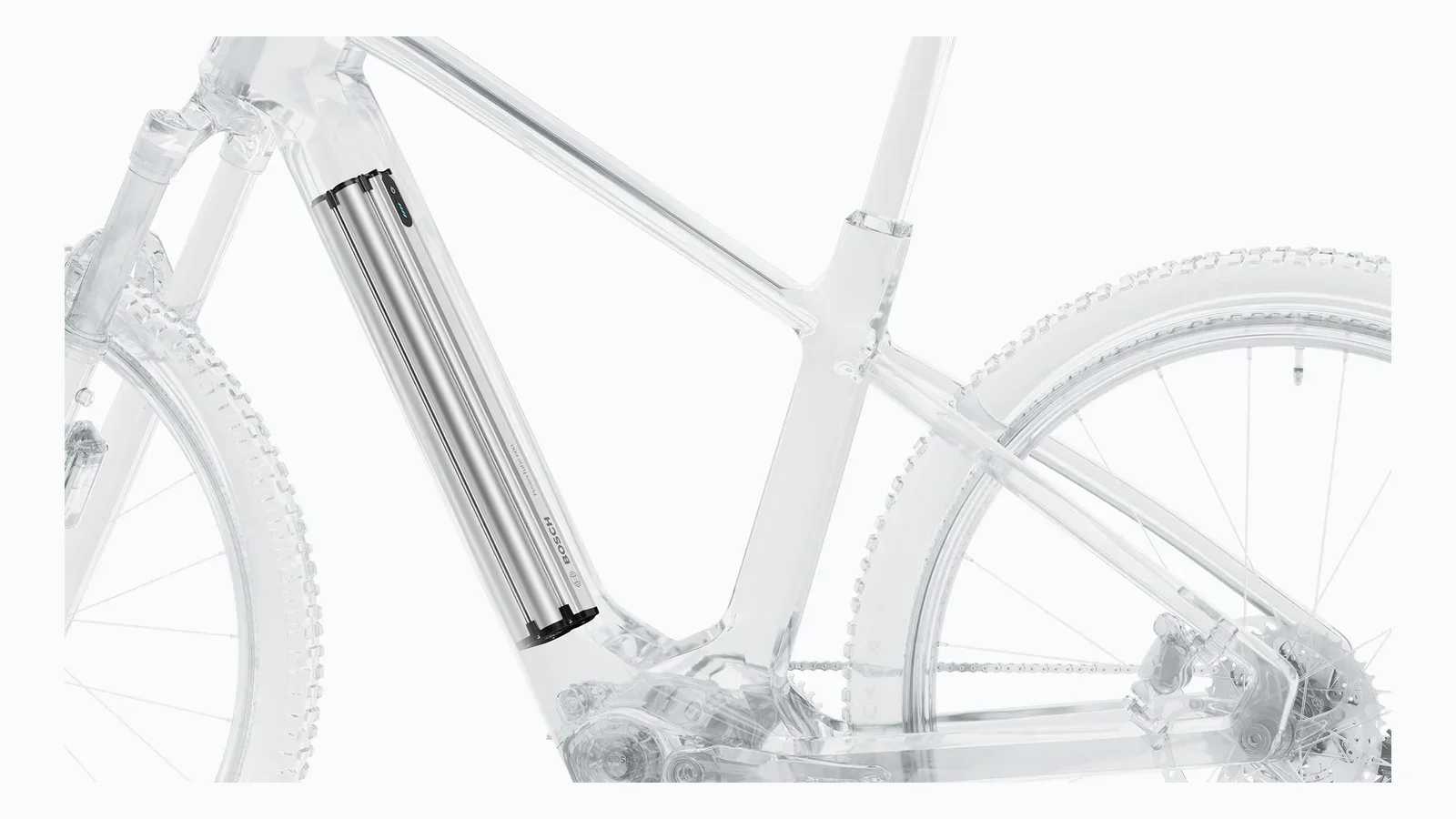
Under the text passed by Congress, the CPSC cannot leave UL compliance optional anymore. Within 180 days of the President signing H.R. 973, the agency must promulgate a mandatory consumer product safety standard covering lithium-ion batteries and electrical systems in micromobility devices.
The law points federal regulators directly toward established consensus benchmarks: UL 2849 for complete e-bike electrical systems, UL 2271 for light electric vehicle battery packs, and UL 2272 for personal e-mobility devices such as e-scooters and hoverboards. It also directs the CPSC to submit a five-year hazard report to Congress tracking fires, explosions, and injuries tied to these batteries.
Turning a voluntary UL guideline into a mandatory consumer product safety rule changes how enforcement works at U.S. ports and online marketplaces. Regulators gain clear statutory authority to halt the sale, distribution, or import of non-compliant bikes and aftermarket packs instead of waiting for fires and issuing one-off recalls months later.
I always tell riders shopping under $1,000 to separate pack certification from system certification. A bike carrying a UL 2271 battery sticker can still pair that pack with an uncertified charger or weak wiring loom unless the whole drivetrain meets UL 2849 electrical system standards.
How H.R. 973 Connects to CPSC’s Proposed Battery Rule
The Senate vote lands while federal regulators already have a rulemaking underway. On June 24, 2026, the CPSC published a Notice of Proposed Rulemaking in the Federal Register (91 FR 38162) to codify a new mandatory standard under 16 CFR Part 1265.
That draft rule specifically pulls in e-bikes, e-scooters, hoverboards, e-skateboards, replacement packs, aftermarket chargers, and conversion kits. It relies on UL 2849, UL 2271, and UL 2272 with added performance and labeling requirements, plus third-party testing rules under 16 CFR Part 1112 for youth models.
In October 2026, Senators Gillibrand and Schumer joined House sponsor Rep. Ritchie Torres (D-NY) in pressing Acting CPSC Chair Peter Feldman to finish that rulemaking without delay. Consumer advocates echoed that push right after the Senate passed H.R. 973, noting in Consumer Reports’ November 20 statement that a statutory 180-day deadline should stop the CPSC draft from stalling.
Why the Senate Moved After Years of Delay
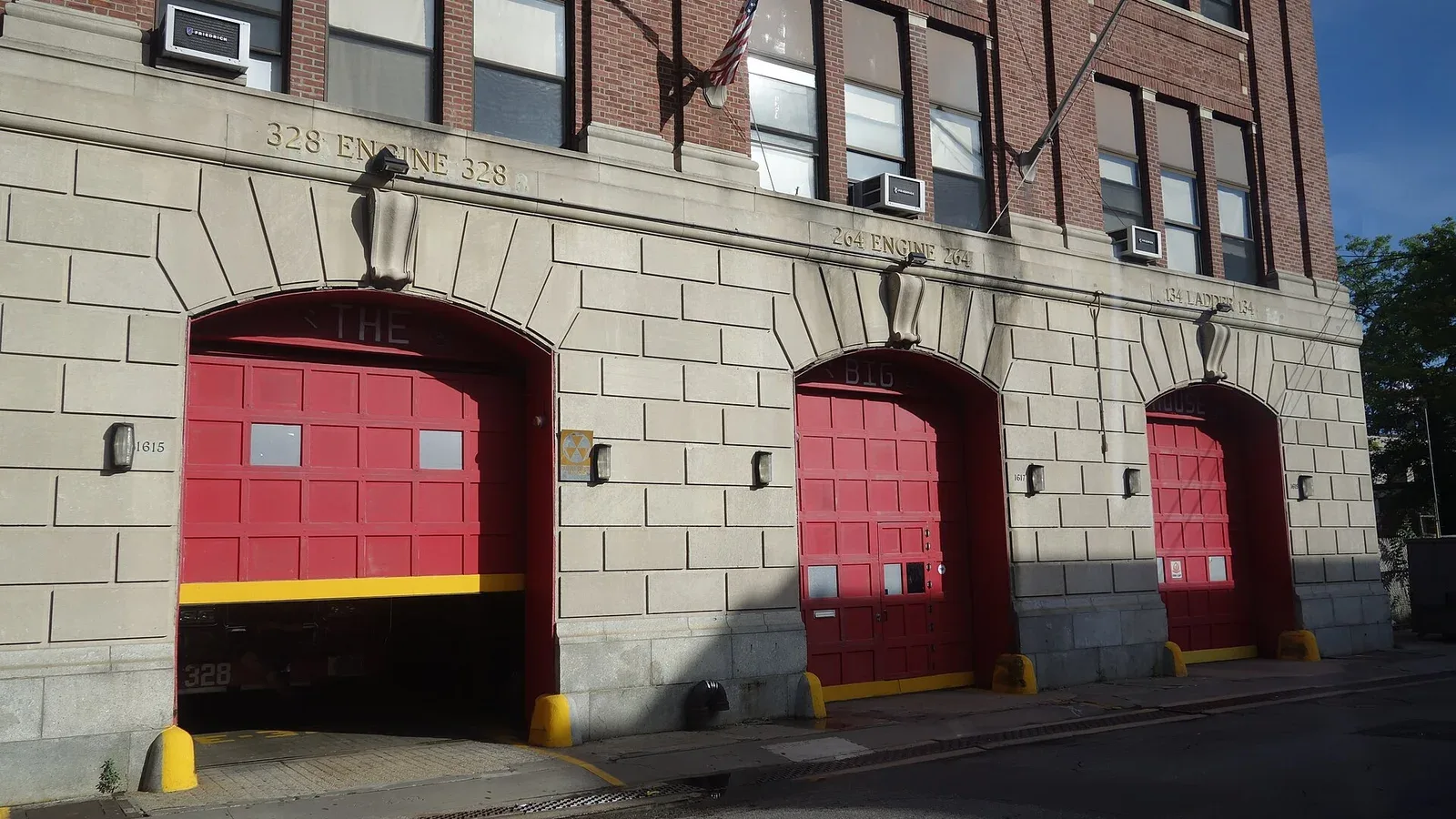
H.R. 973 did not appear overnight. Rep. Ritchie Torres first introduced the bill in March 2023, and the House of Representatives passed it on April 28, 2025, by a lopsided 365–42 bipartisan vote. An identical Senate companion bill, S. 389, cleared the Senate Commerce Committee in July 2025 before sitting on the floor calendar for more than a year.
Deadly fires in late October and November 2026 broke that logjam. Three fatal blazes in New York linked or suspected to involve faulty lithium-ion batteries struck in rapid succession: four deaths in Mott Haven in the Bronx on October 28, six deaths in Sunset Park in Brooklyn on November 5, and two deaths in Colonie on November 13.
New York City Fire Department (FDNY) figures cited by lawmakers show 406 lithium-ion battery fires in NYC in 2026 alone. Since the department began tracking the category in 2019, FDNY has logged 46 deaths and 628 injuries, with most incidents traced to e-bikes, e-scooters, and similar devices. Nationwide, a CPSC staff report documented 45 deaths from micromobility battery fires between 2017 and 2024, and agency staff warned that recent-year totals are likely undercounted.
Those numbers matter even if you do not ride an e-bike. As safety policy analysts told the CPSC in October, a single thermal runaway failure in a hallway or apartment entry can fill exit routes with toxic smoke in seconds and trap neighboring residents.
How Federal Rules Compare to NYC and D.C. Laws
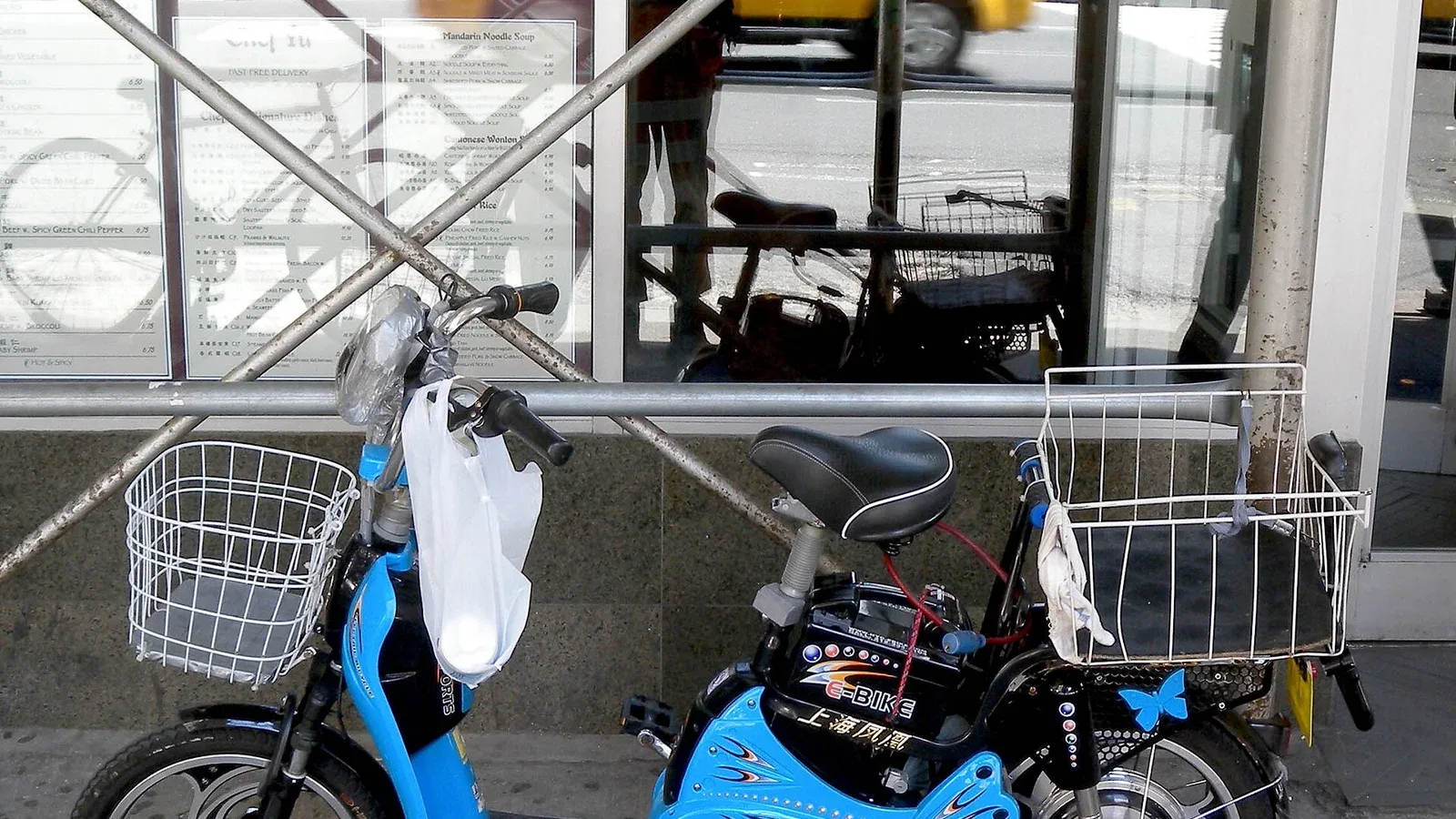
Riders often confuse city sales bans with federal product standards. Local laws regulate what brick-and-mortar shops or local delivery fleets can sell inside city limits, while H.R. 973 sets a national manufacturing and import rule enforced by the CPSC across all 50 states.
| Jurisdiction | Measure | Status (Nov. 2026) | Required Standards | Main Enforcement Scope |
|---|---|---|---|---|
| Federal (U.S.) | H.R. 973 + CPSC 16 CFR Part 1265 | Passed Senate Nov. 19; awaiting signature | UL 2849, UL 2271, UL 2272 | Nationwide imports, sales, aftermarket batteries, chargers, kits |
| New York City | Local Law 39 of 2023 | In effect since Sept. 16, 2023 | UL 2849 (e-bikes), UL 2271 (batteries) | Retail sales, leases, and rentals inside NYC |
| Washington, D.C. | Bill B26-0879 (Emergency Act) | Approved Nov. 13, 2026 (90-day window) | UL 2849 / EN 15194, UL 2271 | Sales, distribution, and rentals in D.C. (up to $1,000 fine) |
That federal import authority closes the biggest loophole left by city ordinances. Even when New York shops stopped stocking uncertified bikes, riders could still order unbranded replacement packs or conversion kits from out-of-state warehouses and online marketplaces.
Once the CPSC finalizes its 16 CFR Part 1265 standard under H.R. 973, those third-party shipments become illegal to import or distribute anywhere in the country. If you live in an apartment building that already bans uncertified batteries in lobbies or units, federal labeling will also give landlords a clear standard to verify instead of blanket-banning every e-bike on the rack.
What E-Bike Shoppers and Owners Should Check Right Now
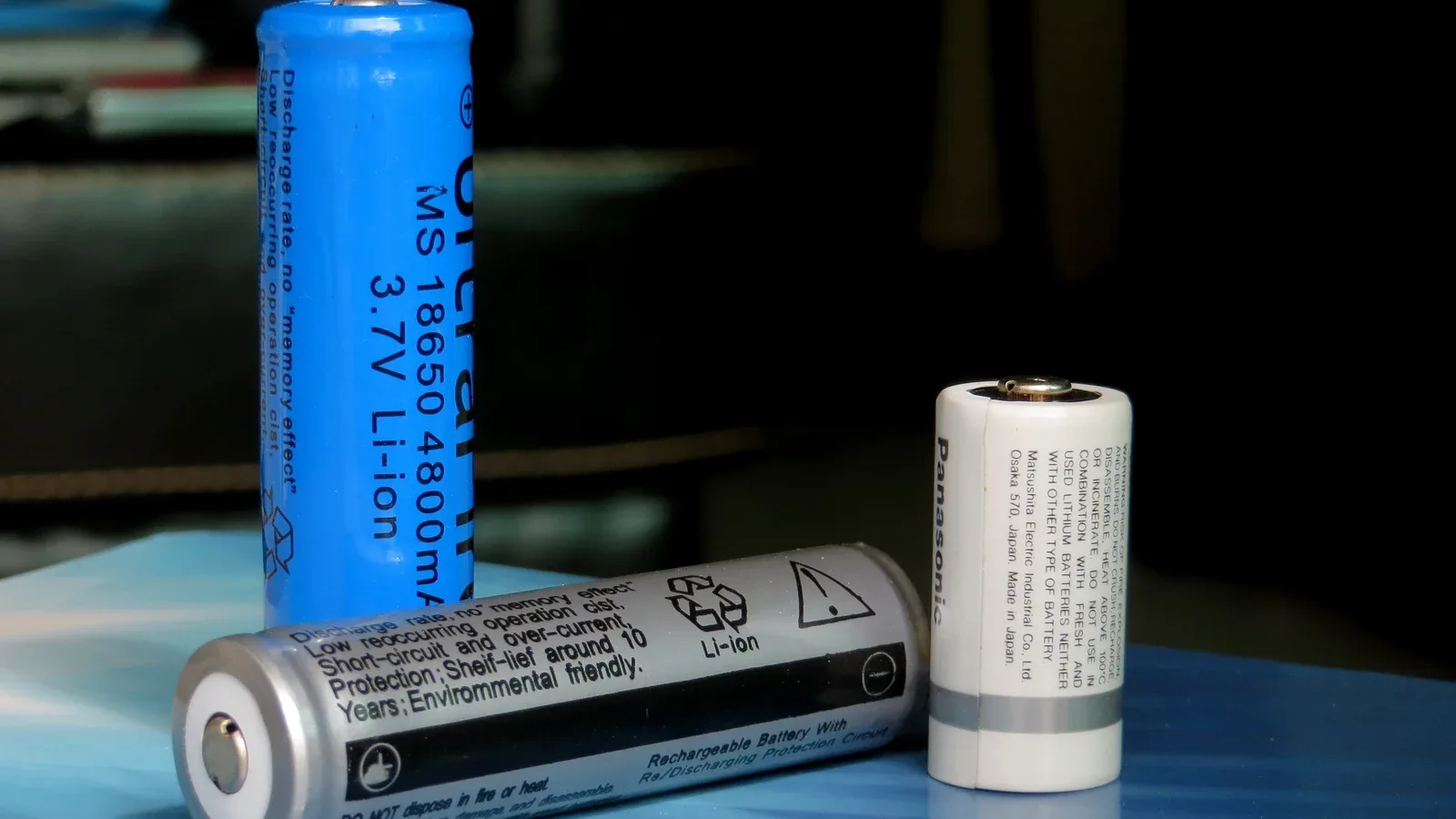
Do not wait 180 days for a federal effective date before changing how you buy or charge a bike. If you are shopping during late-November Black Friday sales, I’d skip any listing that hides behind vague wording like “UL-tested cells” or “CE certified” without naming a full UL 2849 or UL 2271 certificate.
- Verify the whole system mark: Check the frame, battery label, and charger brick for UL 2849 from an accredited lab such as UL Solutions, SGS, Intertek, TÜV Rheinland, or CSA Group. Our step-by-step walkthrough explains how to check if your e-bike is UL 2849 certified using actual certificate file numbers.
- Avoid mismatched aftermarket chargers: A charger with the right barrel plug and voltage can still lack the current taper or thermal cutoff your battery management system expects. Only use the OEM charger or an OEM-approved replacement, and check our companion guide on how long it takes to charge an e-bike battery so you do not leave a pack plugged in unattended overnight.
- Inspect older packs for impact or swelling: If a battery was dropped, submerged, or shows any bulging, cracking, or odd odor, stop charging immediately. Follow safe indoor charging rules on a hard floor away from exit doors, and take damaged packs to a Call2Recycle drop-off rather than curbside trash, as covered in our e-bike battery disposal guide.
For owners who already ride an older, uncertified bike that works normally, H.R. 973 does not outlaw riding the bike you already own. You do not need to throw away a healthy battery tomorrow, though replacing it with a UL 2271 pack when it wears out is the smartest upgrade you can make.
I also expect budget e-bike prices to shift slightly once the 180-day rulemaking clock starts. Third-party lab certification adds real engineering and testing cost, which is one reason UL-certified e-bikes cost more than bare-bones imports. Brands such as Lectric, Aventon, Specialized, Trek, and Bosch already certify their current U.S. lineups to UL 2849, so compliant models are ready on showroom floors today.
Frequently Asked Questions
Does H.R. 973 Ban Existing Uncertified E-Bikes From Being Ridden?
No. H.R. 973 directs the CPSC to set a mandatory consumer product safety standard governing the manufacture, import, distribution, and sale of new e-bikes, batteries, and chargers. It does not confiscate or criminalize bikes that consumers already own.
When Will the Federal UL Battery Standard Take Effect?
First, the President must sign H.R. 973 into law. From the date of enactment, the CPSC has up to 180 days to promulgate the mandatory safety standard, building on its June 24, 2026 proposed rule. Full compliance deadlines for manufacturers and importers will be set inside that final rule.
Are Replacement Batteries and Conversion Kits Covered?
Yes. Both H.R. 973 and the CPSC’s proposed 16 CFR Part 1265 rule cover rechargeable lithium-ion batteries and electrical systems used in micromobility products, explicitly reaching standalone replacement packs, aftermarket chargers, and conversion kits.
Is UL 2271 Enough Without UL 2849?
UL 2271 tests the battery pack on its own, while UL 2849 tests the battery, charger, motor, controller, and wiring as a complete system. For a new bike purchase, I’d insist on UL 2849 for the full bike and reserve UL 2271 for standalone replacement batteries matched to your system.

