
Bicycling Land is reader-supported. When you buy through links on this page we may earn an affiliate commission, at no extra cost to you. As an Amazon Associate we earn from qualifying purchases.
No, a 3,000W e-bike is not street legal as a bicycle in any US state. Every state three-class e-bike law caps legal electric bicycles at 750 watts and 20 mph or 28 mph, meaning a 3,000-watt bike is legally a moped, motor-driven cycle, motorcycle, or off-highway vehicle.
Because most $1,500 to $4,000 high-wattage e-bikes sold online ship without a federal 17-digit VIN, DOT lighting, or a Manufacturer’s Certificate of Origin, most riders cannot register them at the DMV either. If I were shopping for a fast daily commuter right now, I would skip any 3,000W “e-bike” claiming bicycle-lane access and check the legal cutoff first.
Why 750 Watts and 28 mph Are the Legal Ceiling
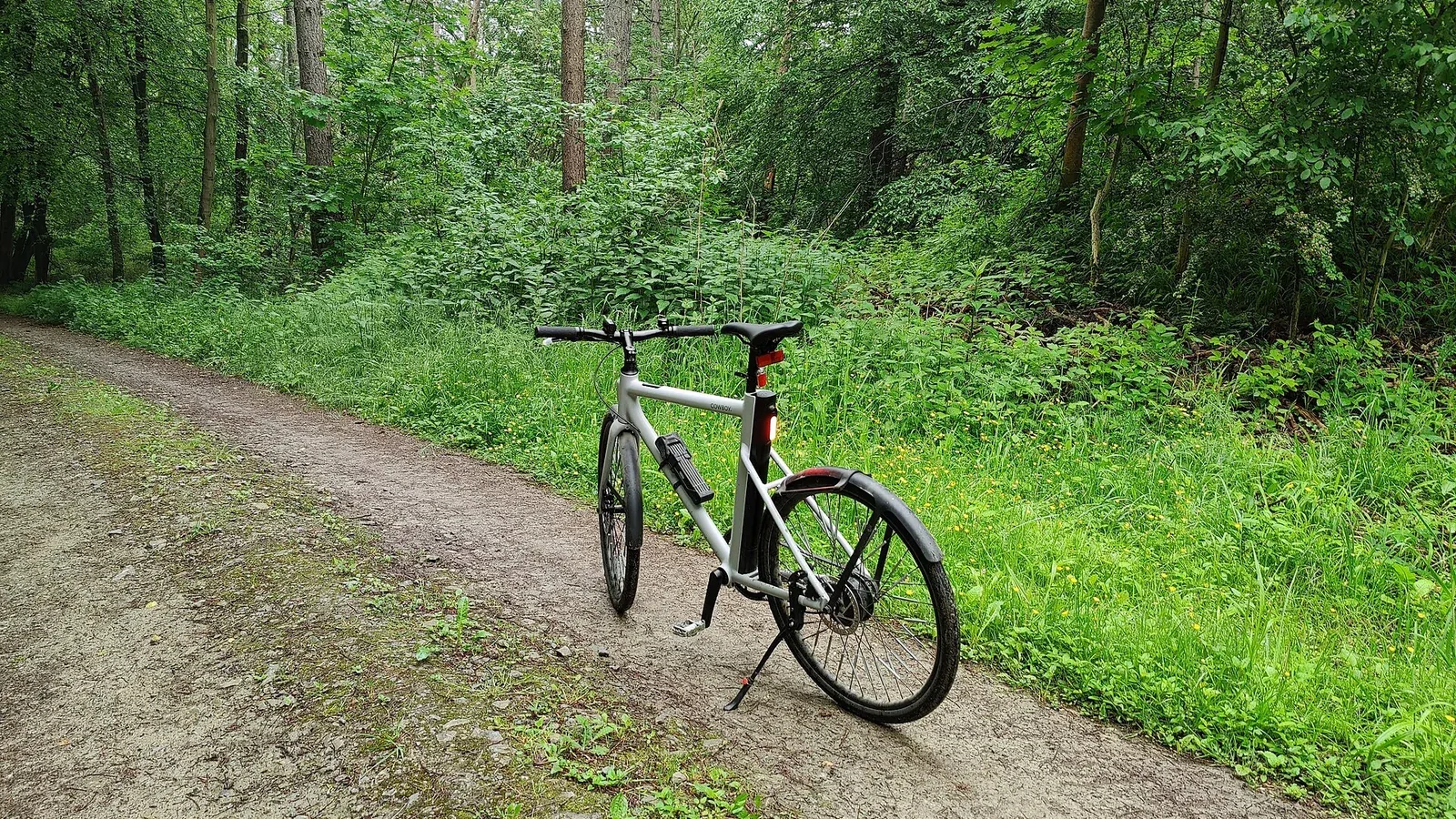
Two overlapping rules set the ceiling for every electric bike sold in the United States. First, federal law (15 USC 2085) defines a low-speed electric bicycle as having working pedals and a motor under 750 watts. Under that rule, its motor-only top speed must stay under 20 mph with a 170-pound rider on flat pavement.
Second, more than 40 states build their traffic codes around the three-class bicycle system derived from that 750W cap. Class 1 provides pedal-assist up to 20 mph, Class 2 allows a throttle up to 20 mph, and Class 3 provides pedal-assist up to 28 mph with a speedometer. You can compare how each tier behaves on paths and streets in our Class 1, 2, and 3 e-bike guide.
A 3,000W motor delivers four times the power permitted under those rules. Functional pedals, mountain bike tires, and a “750W” frame sticker do not change the legal outcome. Traffic enforcement and state vehicle codes judge the machine by its real motor output, top assisted speed, and whether the maker built it to bypass the 750W limit.
What 1000W to 3000W Electric Bikes Legally Count As
Once an electric two-wheeler crosses 750W or 28 mph, it loses its bicycle exemption and falls into motor-vehicle categories. Exactly which bucket it lands in depends on its top speed, seat and pedal design, and whether the manufacturer built it to meet Federal Motor Vehicle Safety Standards (FMVSS).
- Moped or Motorized Bicycle: Some states cap mopeds around 30 mph (up to 3,000W or 4 bhp in California, or 5 bhp in Texas). Riders need a license, a moped plate, and often a motorcycle helmet, and mopeds stay off multi-use bike paths.
- Motor-Driven Cycle: States such as Illinois treat out-of-class electric bikes as motor-driven cycles. That tier requires a Class L or M license, title, plate, insurance, and FMVSS equipment, while barring bike path and sidewalk use.
- Motorcycle: Bikes exceeding 30 mph to 40 mph (or exceeding state moped wattage caps) count as full motorcycles, requiring DOT equipment, title, registration, insurance, and a motorcycle license.
- Off-Highway Motorcycle (OHV / E-Moto): Dirt-bike-style frames without pedals or DOT street equipment are limited to private property, sanctioned tracks, or designated OHV trails.
Using a software limiter or “street mode” switch does not guarantee compliance. Under California Vehicle Code §312.5, tightened by SB 1271 and SB 1167 taking effect January 1, 2027, modifiable bikes lose e-bike status. Any frame designed to be unlocked past 750W, 20 mph on throttle, or 28 mph on pedal assist cannot legally be sold or labeled as an electric bicycle. Check our e-bike speed limits breakdown if you want to see how real-world wattage maps to mph.
How Major States Treat a 3000W E-Bike
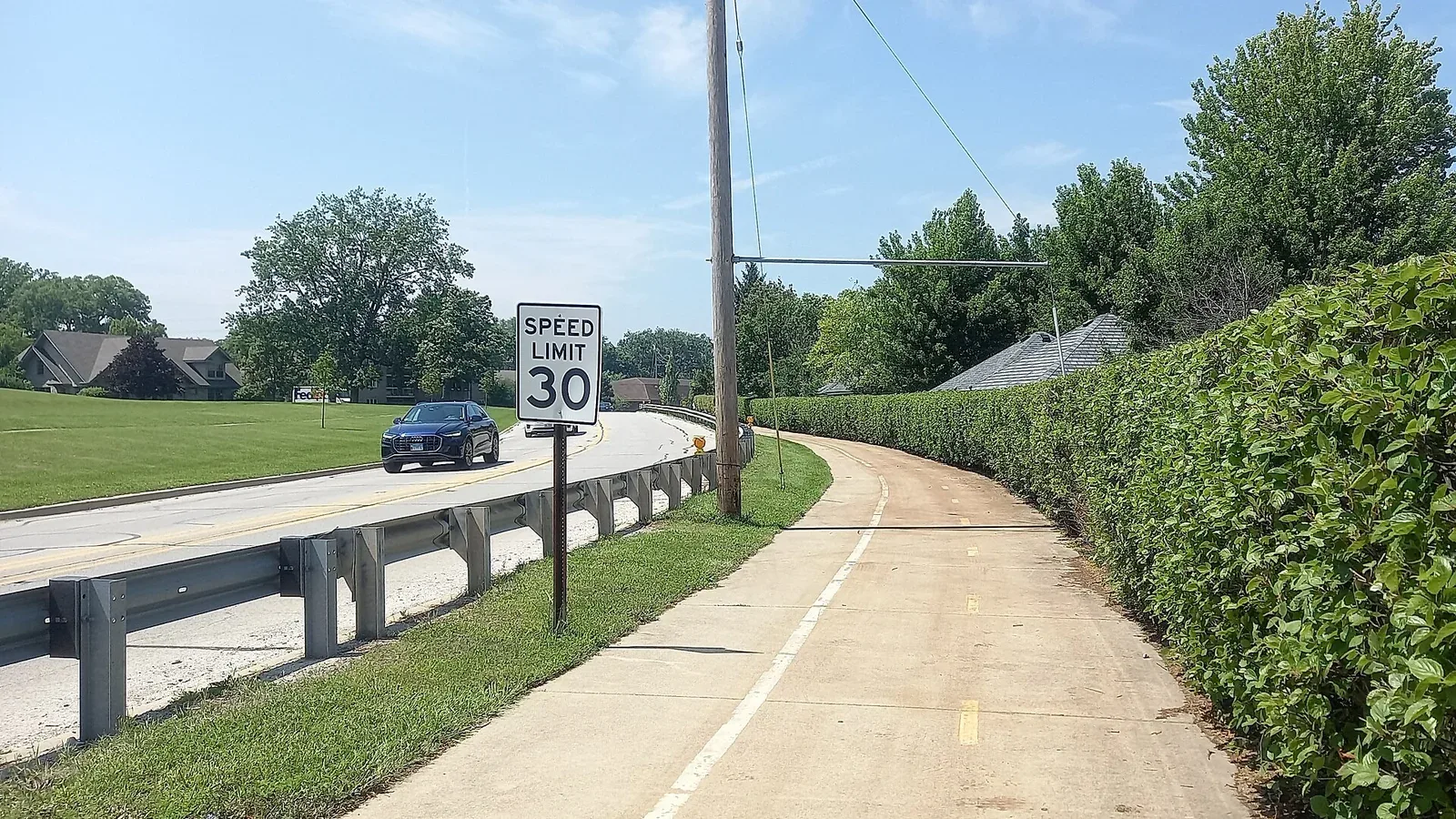
Rules for high-wattage electric bikes vary sharply once you cross state lines, and penalties have tightened heading into 2027. You can check your wattage and state code on Bike Index’s free E-Bike Rules Checker, as covered in our Bike Index E-Bike Rules Checker launch report. The table below summarizes six high-enforcement states.
| State | 3,000W Classification | License, Plate & Bike Path Access |
|---|---|---|
| California | Moped (≤30 mph, <4 bhp / 3,000W), motorcycle, or off-highway electric motorcycle | Requires M1/M2 license (16+), DMV plate, DOT helmet; from Jan. 1, 2027 needs 17-digit VIN/FMVSS label; barred from bike paths and subject to 48-hour police impound if unlicensed. |
| Illinois | Motor-driven cycle or motorcycle (outside 625 ILCS 5/1-140.10) | Needs a Class L or M license, title, plate, insurance, and FMVSS/VIN compliance (non-FMVSS builds cannot be registered or ridden on public roads); starting Jan. 1, 2027 (SB 3484), barred from bike paths and sidewalks. |
| New Jersey | Motorcycle (triggers Electric Motorized Bicycle above 750W and 28 mph) | Needs motorcycle license or endorsement (17+, parental consent under 18), MVC title, registration, and insurance; kept off non-motorized trails. |
| New York | Limited Use Motorcycle (≤40 mph) or Motorcycle (>40 mph) | Needs DMV registration, plate, driver’s license (plus Class M for faster tiers), insurance, and helmet; off-road e-motos cannot be street-plated. |
| Texas | Moped (if ≤30 mph and ≤5 bhp / ~3,750W) or Motorcycle (>30 mph) | Moped builds (≤30 mph) need a regular driver’s license and registration; builds exceeding 30 mph require a Class M motorcycle license (DPS course), plate, and insurance. |
| Florida | Motorcycle for builds >1,500W (2 bhp) or >30 mph (outside Fla. Stat. §316.20655) | Full-speed 3,000W bikes require FLHSMV title, rear license plate, and motorcycle endorsement or Motorcycle Only license via Basic RiderCourse (only ≤20 mph motorized scooters avoid registration). |
If you live in New Jersey or Illinois, state rules are changing faster than most dealer listings admit. Read our full breakdown of New Jersey e-bike registration and licensing or check New York e-bike speed and class rules before putting money down on an oversized hub motor.
Can You Register a 3000W E-Bike for the Street?
In theory, you can plate a 3,000W electric moped or lightweight motorcycle if it was manufactured as a street-legal motor vehicle. In practice, almost no 3,000W online “e-bike” qualifies, and checking paperwork before buying saves you from owning a machine you can never legally take on public asphalt.
To pass DMV inspection as a moped or motorcycle, check requirements like California DMV moped and motorcycle registration. A street-legal build needs a federal 17-digit Vehicle Identification Number (VIN), a Manufacturer’s Certificate of Origin (MCO), and an FMVSS compliance label. Starting January 1, 2027, California SB 1167 mandates that 17-digit VIN and certification label for street-use mopeds. It also requires sellers to warn buyers in ads and at checkout that highway helmet, registration, license, and insurance rules apply.
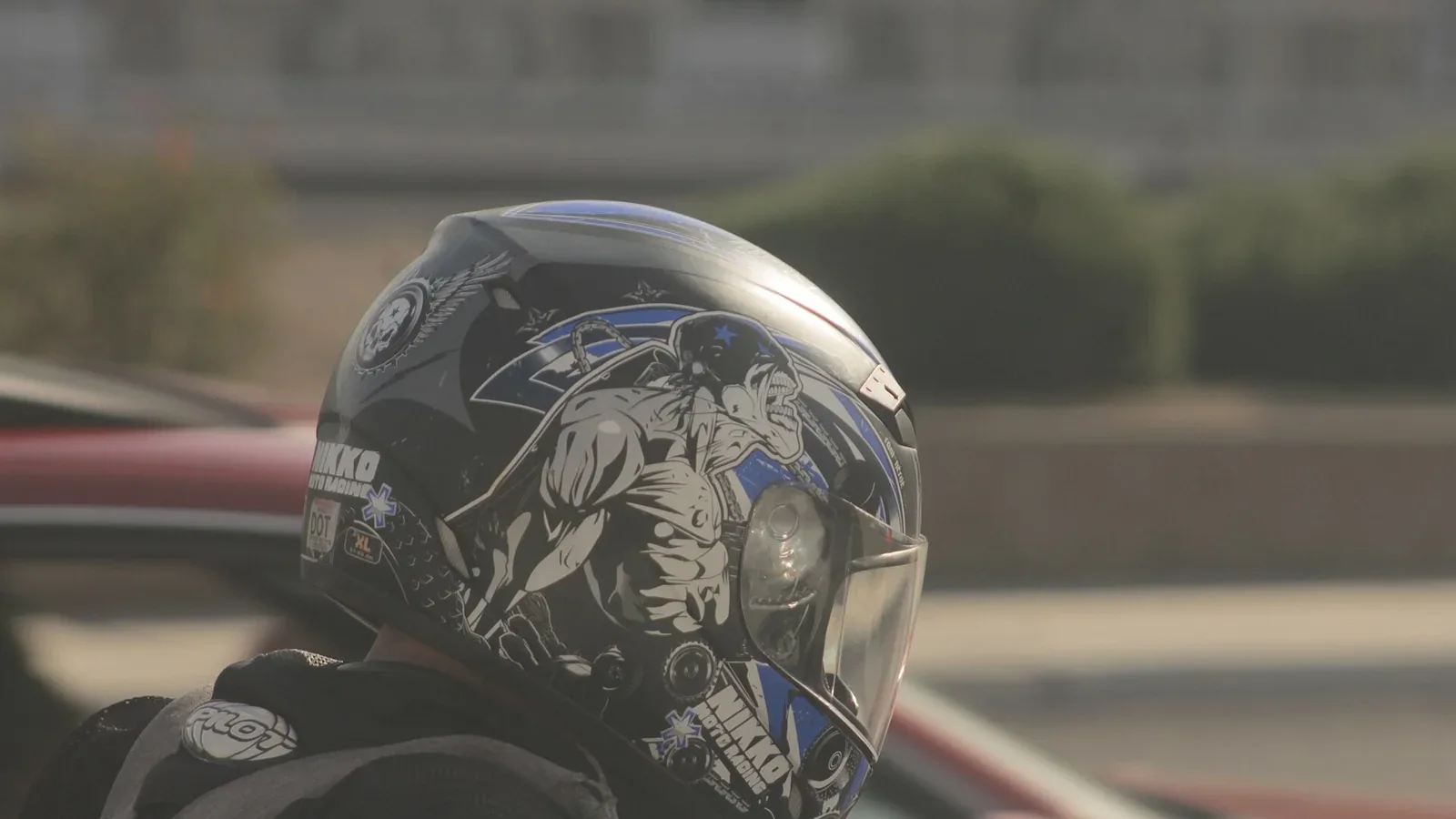
Beyond paperwork, street-legal motor vehicles require DOT-approved tires, a DOT headlight with high/low beams, brake-actuated tail light, turn signals, mirrors, and a horn. Bolting aftermarket turn signals onto an uncertified bicycle frame will not generate a valid 17-digit VIN. And if you do ride a registered 3,000W moped or motorcycle, swap your foam bicycle lid for a DOT-certified motorcycle helmet.
Safety and Liability Warning: Modifying a 750W controller or installing a 3,000W hub kit pushes the bike past its legal class and voids warranties. It can also invalidate homeowners or auto medical coverage in a street crash.
If you already ride a 750W bike and only want smoother hill acceleration within legal limits, stick to our legal e-bike controller tuning rules instead of swapping to an unlicensed 3,000W kit. And if you are buying for a teenager who wants dirt-bike styling for private trails only, verify trail rules and helmet specs in our kids electric dirt bikes guide.
Ride1Up Prodigy V2 and Street-Legal Class 3 Options
Most shoppers who ask about 3,000W e-bikes do not actually want to ride 45 mph in traffic. They want strong hill-climbing torque and enough speed to keep pace on 25 mph to 30 mph neighborhood streets without feeling sluggish.
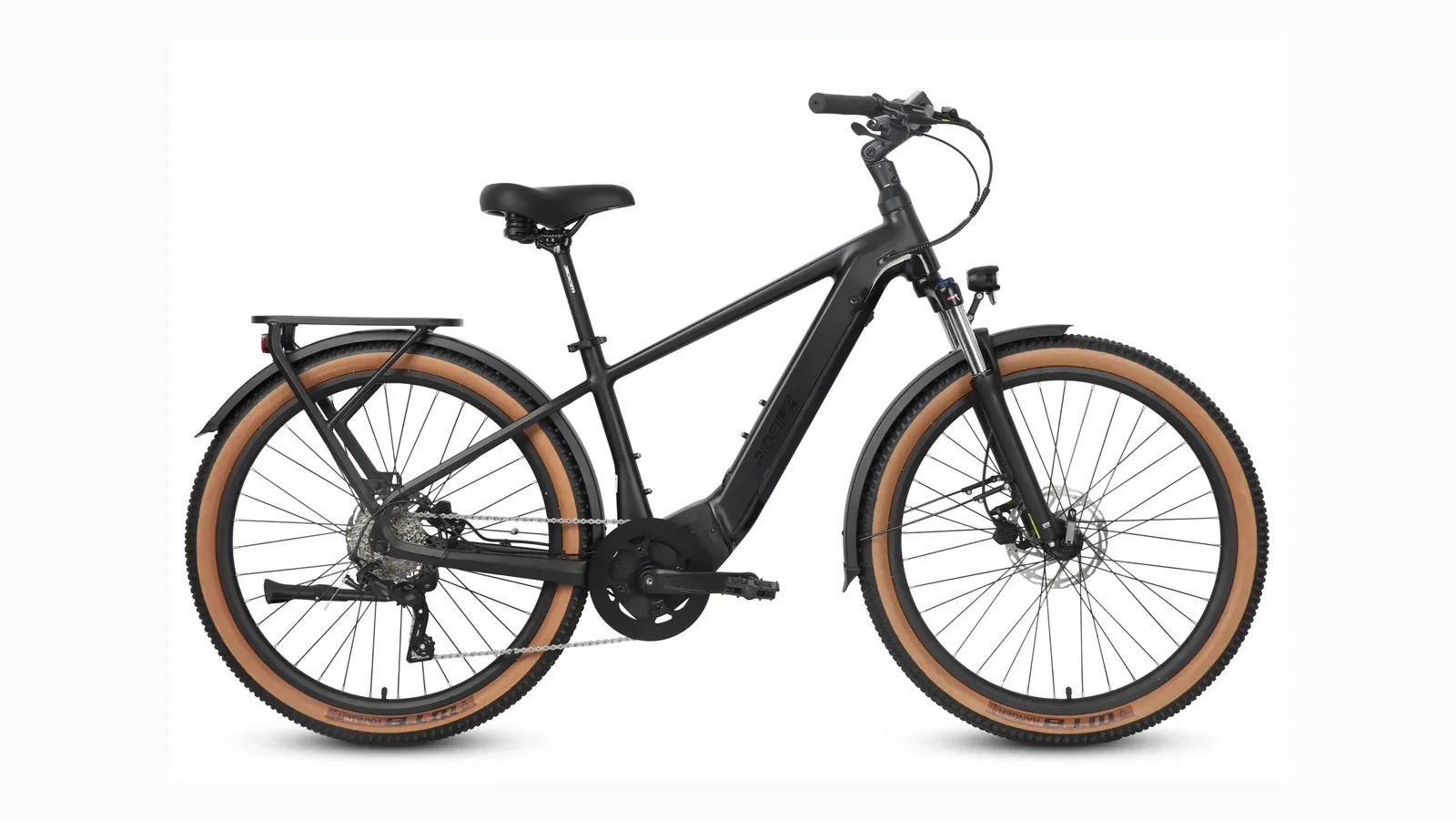
A properly geared Class 3 commuter bike solves that problem legally without a DMV plate, motorcycle endorsement, or insurance policy. For example, the Ride1Up Prodigy V2 Eco uses a German-made Brose TF Sprinter mid-drive motor rated at 90 Nm of torque with Class 3 pedal-assist up to 28 mph. Because the mid-drive multiplies torque through a 9-speed bicycle drivetrain, it climbs steep grades much harder than a cheap 750W rear hub while staying 100% street legal as a bicycle.
I would pick a torque-sensing Class 3 mid-drive over an uncertified 3,000W hub-motor bike every time for city commuting. You keep access to bike lanes, avoid impound risks, and get UL-listed electronics and real replacement parts support. Browse more verified 28 mph commuters in our best Class 3 electric bikes roundup, or compare lower-wattage budget models in e-bike brands to avoid and brands worth trusting.
Frequently Asked Questions
Can You Ride a 3000W E-Bike on the Street If You Limit It to 20 mph?
Usually no. Most state laws define an electric bicycle by its motor rating (750W max) as well as its speed cutoff. In states like California, any bike designed or modifiable to exceed 750W is excluded from e-bike status even in a restricted mode.
Are 1000W or 1500W E-Bikes Street Legal in Any US State?
A handful of states historically allowed up to 1,000W for motorized bicycles under older local rules, but the national three-class standard caps e-bikes at 750W. Even where 1,000W was once tolerated, federal trails (BLM and Forest Service) and major cities enforce the 750W limit strictly.
What Is the Ticket or Penalty for Riding an Unregistered 3000W E-Bike?
Penalties range from traffic citations for riding an unregistered motor vehicle without a license or insurance to mandatory towing. In California under AB 875, police can impound an unlicensed bike capable of over 20 mph on motor power alone for at least 48 hours at the owner’s expense.
Can I Ride a 3000W E-Bike on Mountain Bike or Rail Trails?
Only on motorized OHV trails or forest roads open to dirt bikes and motorcycles. Non-motorized multi-use paths, rail trails, and singletrack open to Class 1 e-bikes prohibit 3,000W bikes.

