
Bicycling Land is reader-supported. When you buy through links on this page we may earn an affiliate commission, at no extra cost to you. As an Amazon Associate we earn from qualifying purchases.
Electric bikes eat through chains, brake pads, and tires roughly twice as fast as non-motorized bicycles. Extra frame weight and 20 to 28 mph cruising speeds multiply wear on every moving part, while software updates and lithium batteries add maintenance steps traditional cyclists never think about. Following a simple mileage-based checklist keeps your bike quiet, stops premature drivetrain damage, and prevents the small electrical faults that sideline commuters mid-week.
Instead of guessing when to clean, lube, or book a shop appointment, treat e-bike upkeep like car maintenance on two timelines: quick visual checks before you roll out, and deeper inspections every few hundred miles. Most tasks take ten minutes with basic hand tools, though heavy wheels and proprietary electronics draw a clear line between safe DIY work and shop-only repairs.
The Complete E-Bike Maintenance Schedule
How often you should service an e-bike depends on mileage rather than calendar months alone. A daily 15-mile commuter clocks 300 miles every four weeks, whereas a weekend rider may take four months to reach the same wear point. Use whichever trigger (time or miles) arrives first.
| Interval | Focus Area | Exact Action | Why It Matters |
|---|---|---|---|
| Every Ride | Tires, brakes, battery latch | Squeeze tires, test lever firmness, confirm battery click | Prevents pinch flats and mid-ride battery dropouts |
| Monthly (150–300 mi) | Chain, pads, bolts, PSI | Set exact PSI, wipe & lube chain, check pad thickness and stem/rack bolts | Stops rotor scoring and vibration-loosened hardware |
| Quarterly (600–1,000 mi) | Drivetrain wear, spokes, firmware | Measure chain stretch, pluck rear spokes, install firmware updates | Saves $100+ cassettes and stops hub-wheel spoke snaps |
| Annual (1,250–2,000+ mi) | Hydraulics, fork, bearings | Bleed brake fluid, service suspension lowers, inspect wheel bearings | Restores stopping power and prevents costly frame creaks |
Before Every Ride: The Two-Minute Safety Check
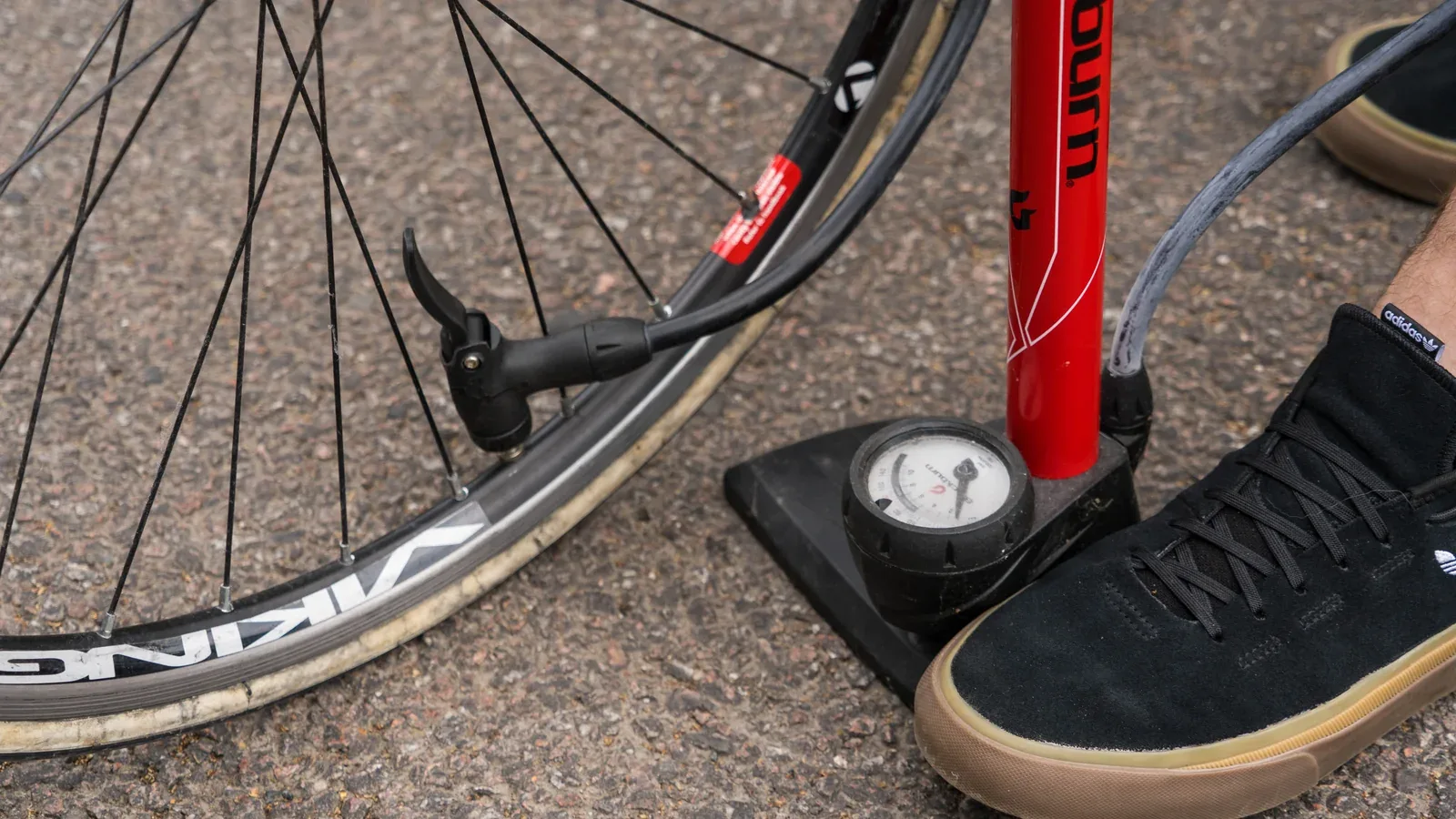
Most roadside breakdowns start with something you could have spotted in the driveway in thirty seconds. Electric bikes carry 50 to 90 pounds before you add groceries or a rider, so small tire pressure drops or loose axle nuts turn dangerous fast at 20 to 28 mph.
Start with tire pressure using a floor pump with a gauge every week, and give both tires a quick thumb squeeze before each ride. Underinflated tires squirm in corners, trigger pinch flats, and cut battery range noticeably; match your tire width and rider weight against our e-bike tire pressure chart so you stay inside the sidewall rating. Next, pull both brake levers while rocking the bike forward. Neither lever should pull close to the handlebar grip, and neither rotor should scrape rhythmically when you spin the wheel.
Finish by grabbing the battery pack and giving it a gentle tug to confirm the key lock is seated. If you ride a hub-drive bike with a bolted rear axle, glance at the anti-rotation torque washers and axle nuts so motor torque cannot twist the dropout. Folding e-bike riders should also verify that the main frame latch and stem hinge click shut with firm resistance.
Drivetrain Care: Chains, Cassettes, and Belt Drives
A mid-drive motor feeds 60 to 125 Nm of torque straight through a narrow bicycle chain, wearing rollers and pins far faster than human legs ever could. While an analog road chain might last 2,500 miles, a commuter e-bike chain frequently hits 0.5% elongation between 600 and 1,200 miles. Waiting too long lets a stretched chain chew down cassette teeth, turning a $30 chain swap into a $150 drivetrain overhaul.
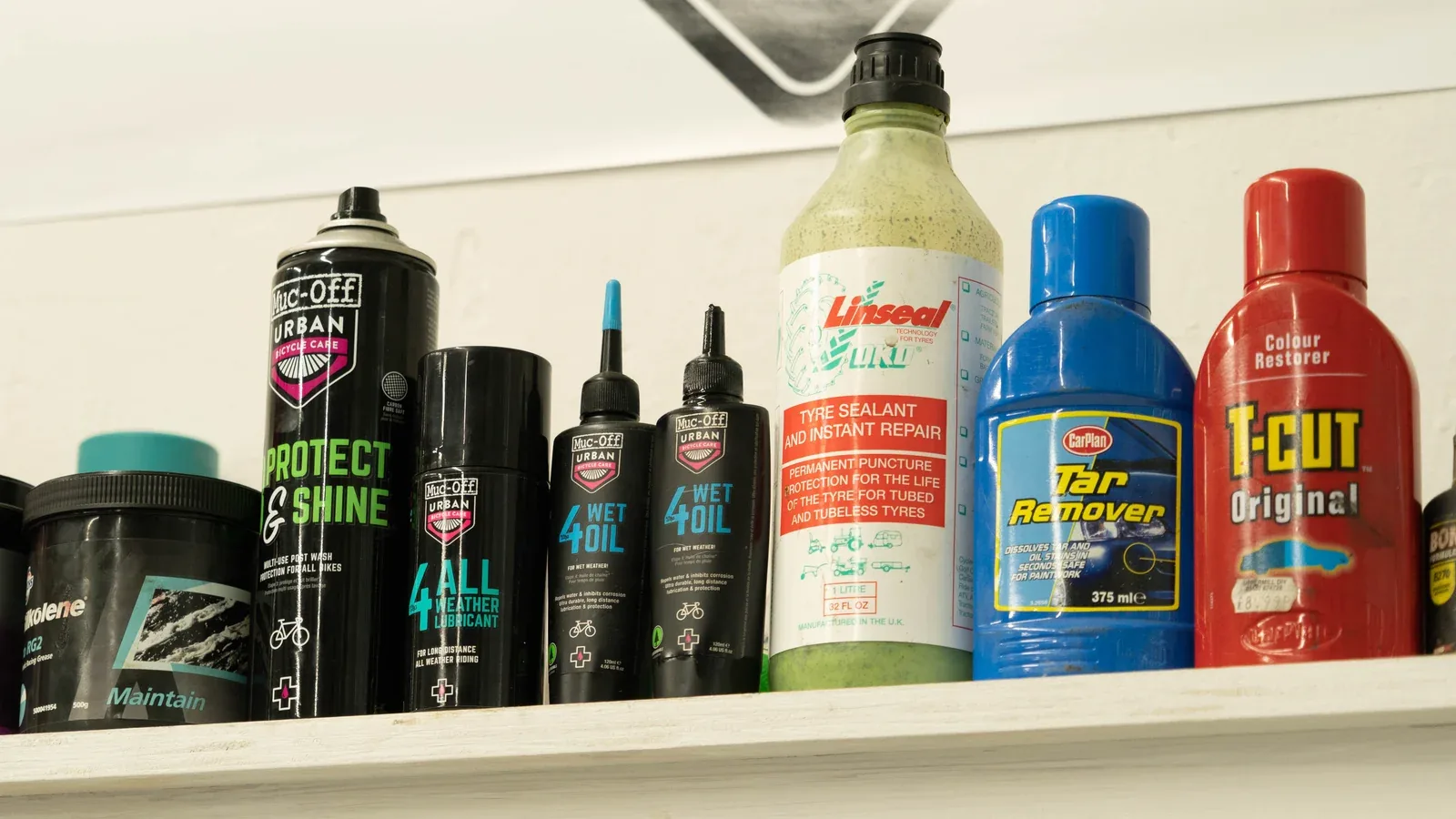
Keep your chain clean every 150 to 300 miles, or right after any wet ride. Wipe road grit off the side plates with a dry shop rag, apply one drop of dry or wet bicycle chain lube per roller, spin the cranks backward for 20 seconds, and wipe off all excess lube. Leaving a wet film on the outside attracts sand that acts like grinding paste. If your single-speed or hub-drive chain starts slapping the chainstay, follow our guide on tightening a bike chain, and check Park Tool’s repair help library for exact chain-checker wear limits.
Belt-driven e-bikes skip lubrication completely. Never put oil or wax on a carbon belt, and rinse off road salt or mud with plain low-pressure water. Check belt tension with a phone frequency app or shop gauge every 1,000 miles, and avoid bending or twisting the belt sideways during rear wheel removal.
Hydraulic Disc Brakes and Rotor Inspection
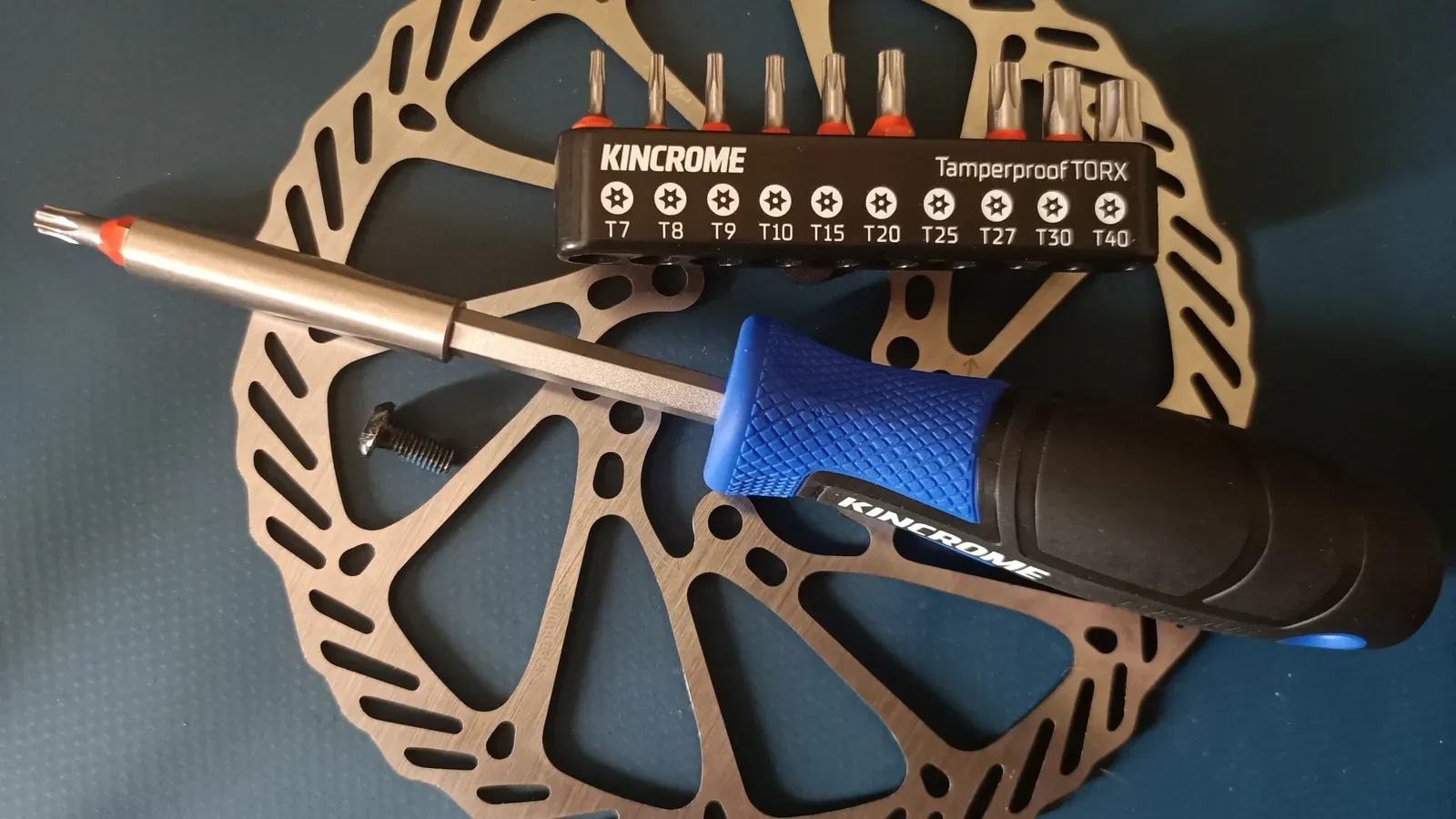
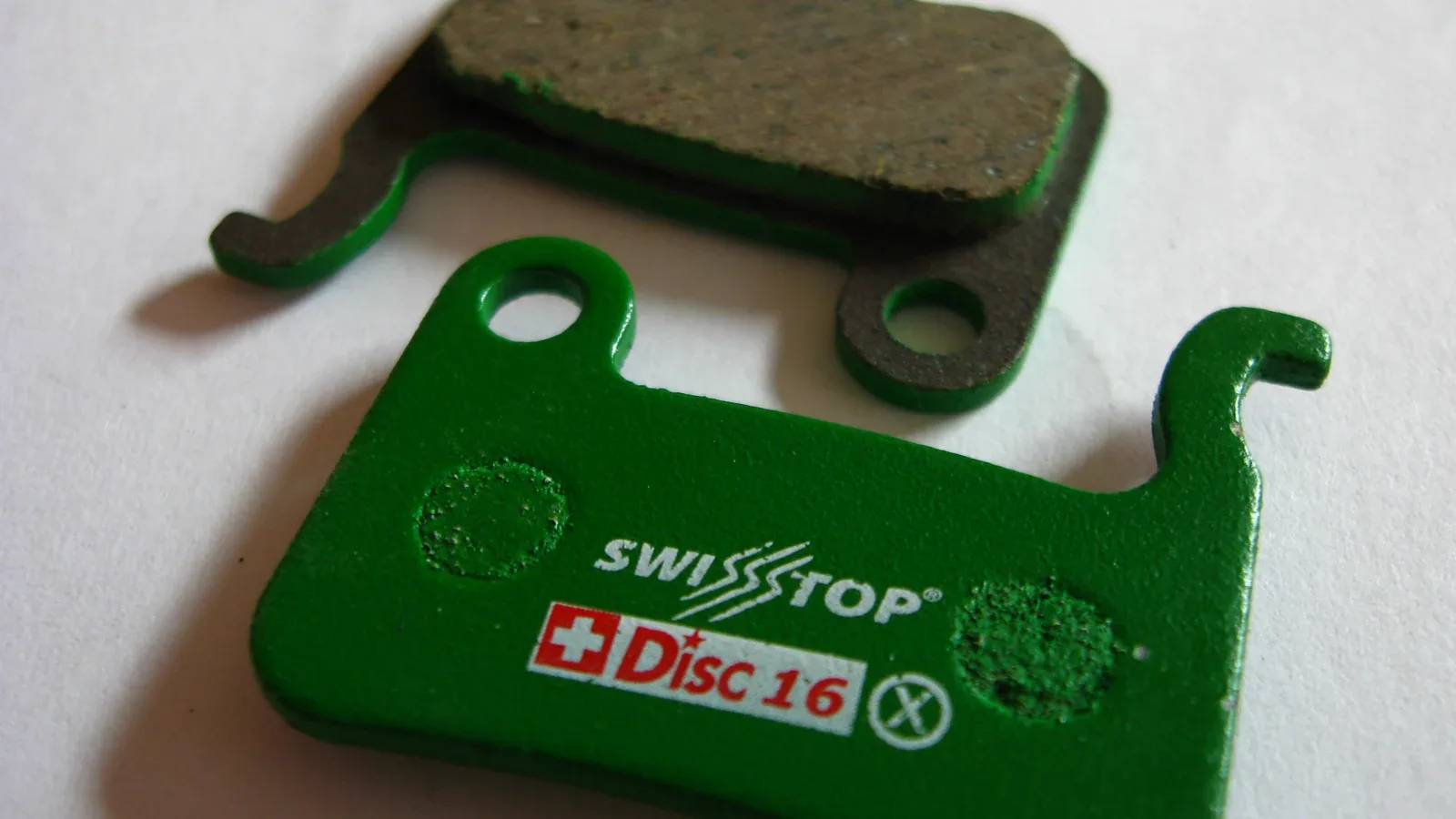
Stopping a 65-pound e-bike plus rider from 28 mph creates serious heat and friction, which is why most quality e-bikes use hydraulic disc brakes with 180 mm or 203 mm rotors. Resin (organic) pads ride quietly in dry weather, yet they can wear down in 500 to 800 miles on hilly commutes. Metallic (sintered) pads handle heat and rain better, often lasting past 1,200 miles, though they can squeal when damp.
Inspect pad thickness every 300 miles by shining a flashlight into the top of the caliper. Once friction material drops to 1.5 mm (roughly the thickness of a credit card), swap the pads immediately before steel backing plates gouge your rotor. Also keep your fingers and spray cleaners far away from the disc rotor; a single mist of chain lube or silicone polish ruins pads permanently and triggers ear-splitting brake howl. You can compare pad compounds, hydraulic bleed intervals, and motor cut-off switches in our guide to e-bike braking systems.
Once a year, or whenever a lever feels spongy and requires pumping, book or perform a hydraulic brake bleed. Fresh mineral oil or DOT fluid (never mix the two; check the caliper cap) removes trapped air bubbles and moisture that lower boiling points on long descents.
Battery, Wiring, and Firmware Maintenance
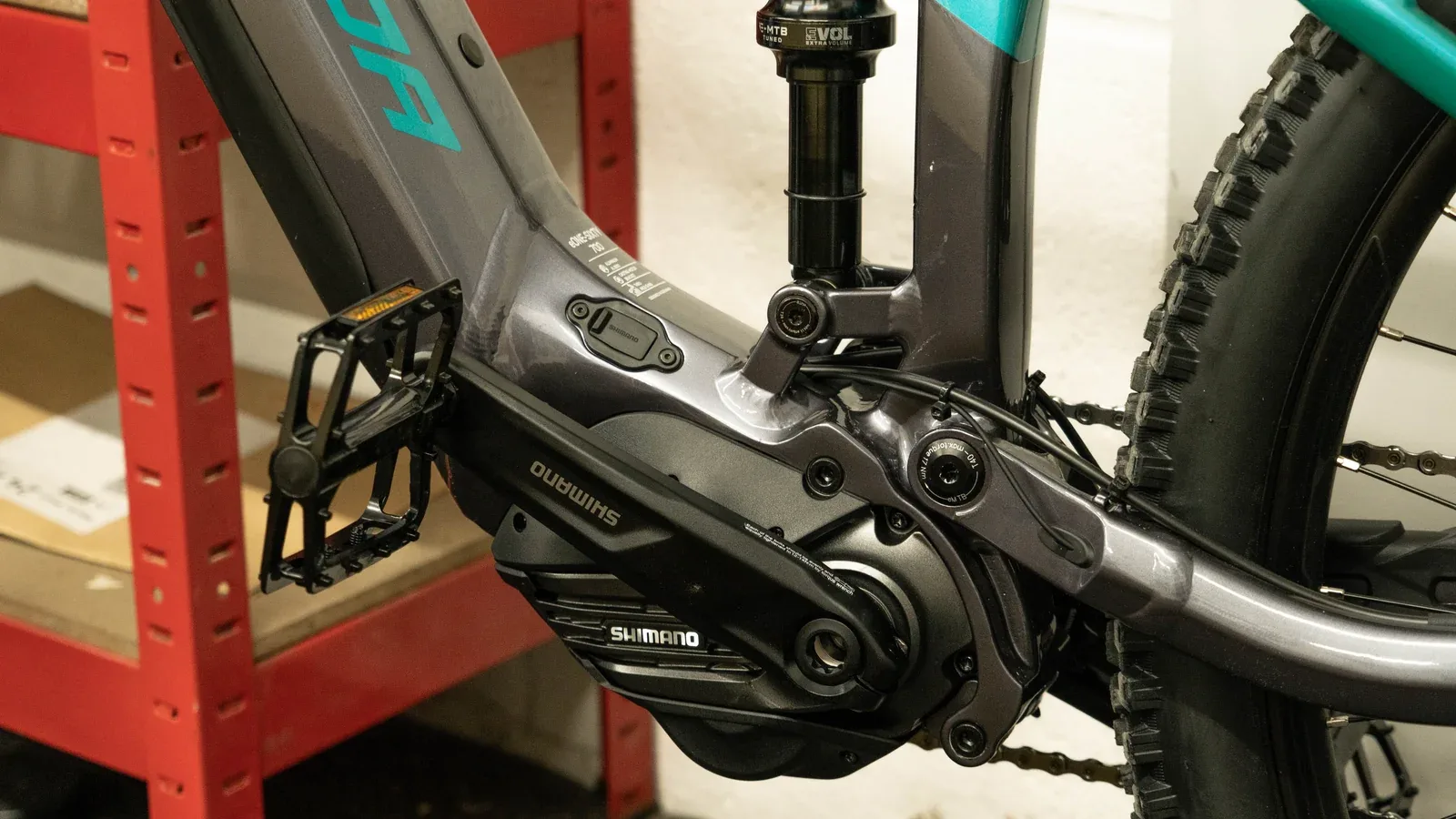
A replacement battery costs $400 to $900, making electrical care the highest-value part of any e-bike maintenance routine. Follow Bosch’s official battery care guidelines and UL 2849 safety practices: always use the manufacturer’s matched charger, avoid overnight charging on soft carpet or in blocked hallways, and unplug once the pack hits 100%.
Never blast an e-bike with a pressure washer or high-pressure garden nozzle. High-pressure water forces grit past motor axle seals, wheel bearings, and display gaskets. Always power down and remove the battery before wiping the frame with a damp cloth, and dry the electrical cradle contacts completely before reinstalling the pack.
Never charge a frozen lithium pack below 32°F (0°C). Let a cold battery warm up indoors to room temperature before plugging it in, and review our safe e-bike charging guide and winter battery storage checklist.
Modern connected e-bikes also need software maintenance. Keep at least 30% battery charge and a stable Wi-Fi or cellular signal before starting any over-the-air firmware update, and never shut off power mid-install. Even flagship launches hit firmware bumps, as shown by the ALSO TM-B delivery pause tied to charging software bugs and standby drain. If your display ever locks up or refuses to wake, walk through our step-by-step e-bike reset guide before assuming the controller died.
What You Can Fix at Home vs. When to Book a Shop
I do routine cleaning, tire inflation, chain checks, and bolt torque checks in my own garage because a basic 2–14 Nm torque wrench pays for itself on the first loose rack or stem bolt. On the other hand, I hand hydraulic brake bleeds, hub-motor rear wheel truing, and motor-controller diagnostics straight to a mechanic. Stripping a soft aluminum motor cover or snapping a spoke under load costs far more than a shop tune-up, and our common bike repair mistakes rundown shows how easy it is to over-torque carbon or alloy hardware.
| Task | Best Handled By | Tools or Requirements |
|---|---|---|
| Tire inflation & puncture repair | DIY at home | Floor pump, tire levers, patch kit |
| Chain cleaning, lubing & wear check | DIY at home | Rags, bike lube, 0.5% chain checker |
| Brake pad replacement | DIY or Shop | Hex keys, needle-nose pliers, pad spreader |
| Hydraulic brake bleed & rotor truing | Bike Shop | Matched bleed kit, mineral/DOT fluid |
| Motor diagnostics & controller faults | Authorized Dealer / OEM | Bosch/Shimano/brand diagnostic tool |
If you ride a direct-to-consumer e-bike, call your local shop before showing up. Many independent mechanics gladly service mechanical brakes, chains, and flat tires on any brand, especially if you bring the bike without the battery or ask ahead about hub-motor wheel removal. Before rolling out in storms, double-check your frame’s IP water-resistance rating in our guide to riding an e-bike in the rain, and review e-bike battery fundamentals if you are planning a spare pack purchase.
Frequently Asked Questions
How Often Should You Service an E-Bike?
Check tires and brakes before every ride, clean and lube the chain every 150 to 300 miles, inspect drivetrain stretch and spokes every 600 to 1,000 miles, and book a full shop tune-up with a hydraulic brake bleed once a year or every 1,250 to 2,000 miles.
How Do You Clean an E-Bike Safely?
Power off the bike, remove the battery, and wipe the frame with a damp cloth or sponge using mild bike wash soap. Never aim a pressure washer at motor seals, wheel hubs, battery contacts, or cockpit displays, and dry all electrical terminals completely before reinstalling the battery.
What Are the Most Common E-Bike Maintenance Problems?
Premature chain stretch on mid-drive motors, glazed or worn hydraulic brake pads, rear hub-motor spoke breakage, underinflated tires, and loose battery cradle connections cause the majority of commuter e-bike shop visits.
Will a Regular Bike Shop Work on My E-Bike?
Most local bike shops service standard mechanical components like tires, chains, derailleurs, and disc brakes on almost any e-bike. However, proprietary motor units, displays, and battery management electronics usually require a brand-authorized dealer or direct manufacturer support.

