
No mainstream e-bike is 100% manufactured from raw materials inside the United States, because lithium-ion cells, display microchips, and brushless motors are almost entirely produced in Asia and Europe. However, a small group of American workshops still weld frames, build custom battery packs, paint, and assemble complete e-bikes on U.S. soil in 2026.
If you are shopping to support American manufacturing or want tighter quality control than a generic container import offers, the wording on a brand’s homepage matters. Under Federal Trade Commission (FTC) rules, calling a product “Made in USA” requires “all or virtually all” parts and processing to originate domestically. I classify almost every cycling brand you see online into one of three buckets: U.S. frame welding with imported electronics, U.S. final assembly, or overseas factory production for an American design team.
Before comparing domestic builders, check our objective e-bike brand picks by rider type and our list of e-bike brands and red flags to avoid so you do not pay a premium solely for a patriotic decal.
What “Made in USA” Actually Means for Electric Bikes
To evaluate any domestic manufacturing claim fairly, separate the frame from the drivetrain and the electronics. A bicycle frame can be cut, mitred, and TIG-welded from chromoly tubing in Oregon or California. Yet that same bike will still rely on a Shimano drivetrain from Japan or Malaysia, hydraulic brakes from Taiwan, and Samsung or LG battery cells.
That distinction is why reputable domestic workshops are careful with their phrasing. When a company claims “Hand-built in California” or “Welded in Oregon,” skilled technicians fabricate the chassis and assemble the bike locally while sourcing specialized electrical parts globally. By contrast, I’d skip any $1,200 direct-to-consumer brand advertising “American-built” while shipping pre-boxed imports straight out of Los Angeles or Savannah warehouses.
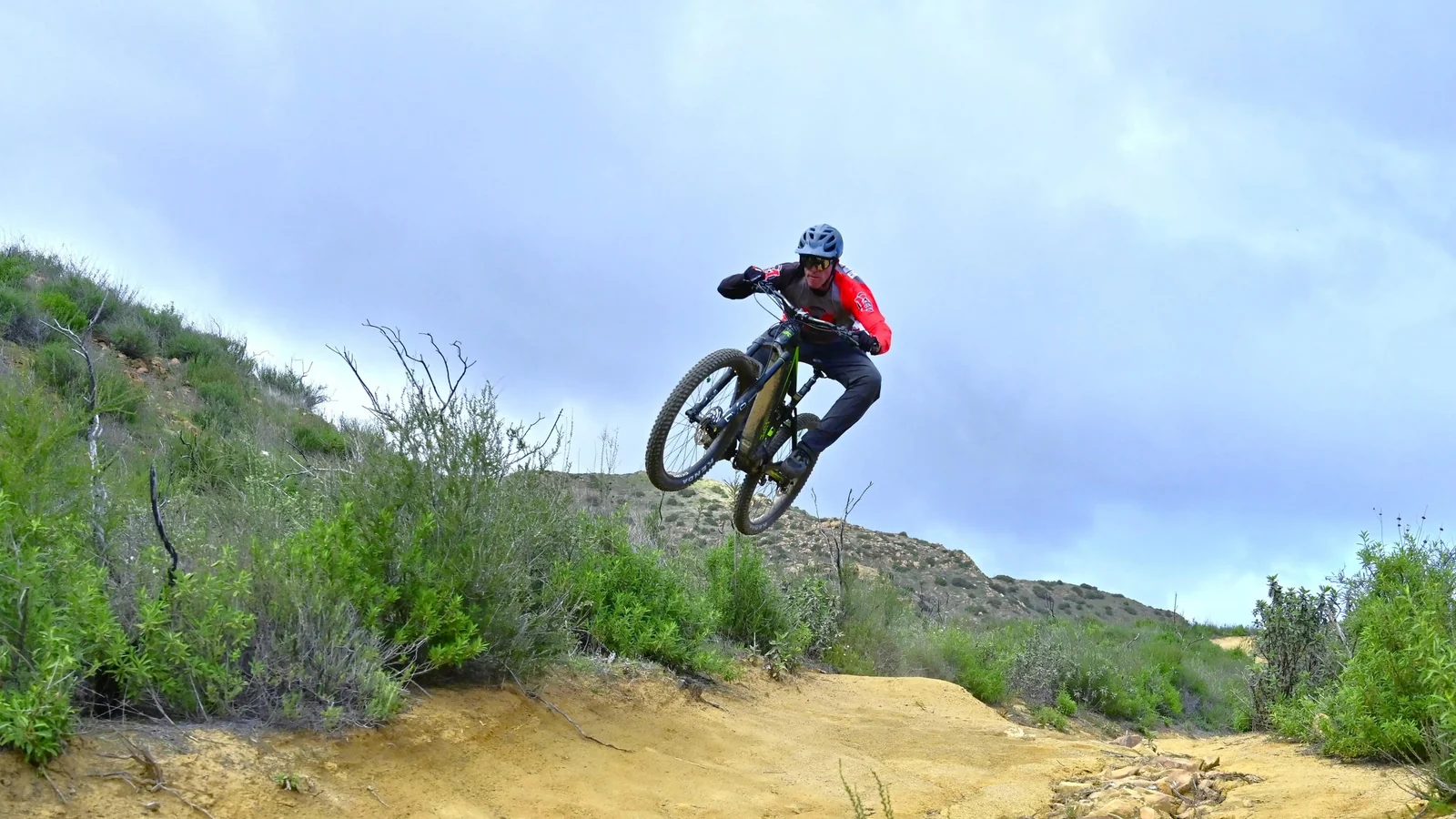
American Brands Still Welding or Building E-Bikes in the U.S.
The past two years have reshaped the domestic builder market, making an up-to-date roster essential before you put down a deposit. Below are the verified U.S. builders continuing domestic frame fabrication or stateside custom assembly, along with one major California builder that recently shut down.
| Brand | U.S. Location | What Happens in the U.S. | 2026 Status & Price Tier |
|---|---|---|---|
| Hi-Power Cycles (HPC) | Simi Valley, CA | Custom chassis assembly, in-house lithium pack building, full testing | Active; high-power builds ($4,500+) |
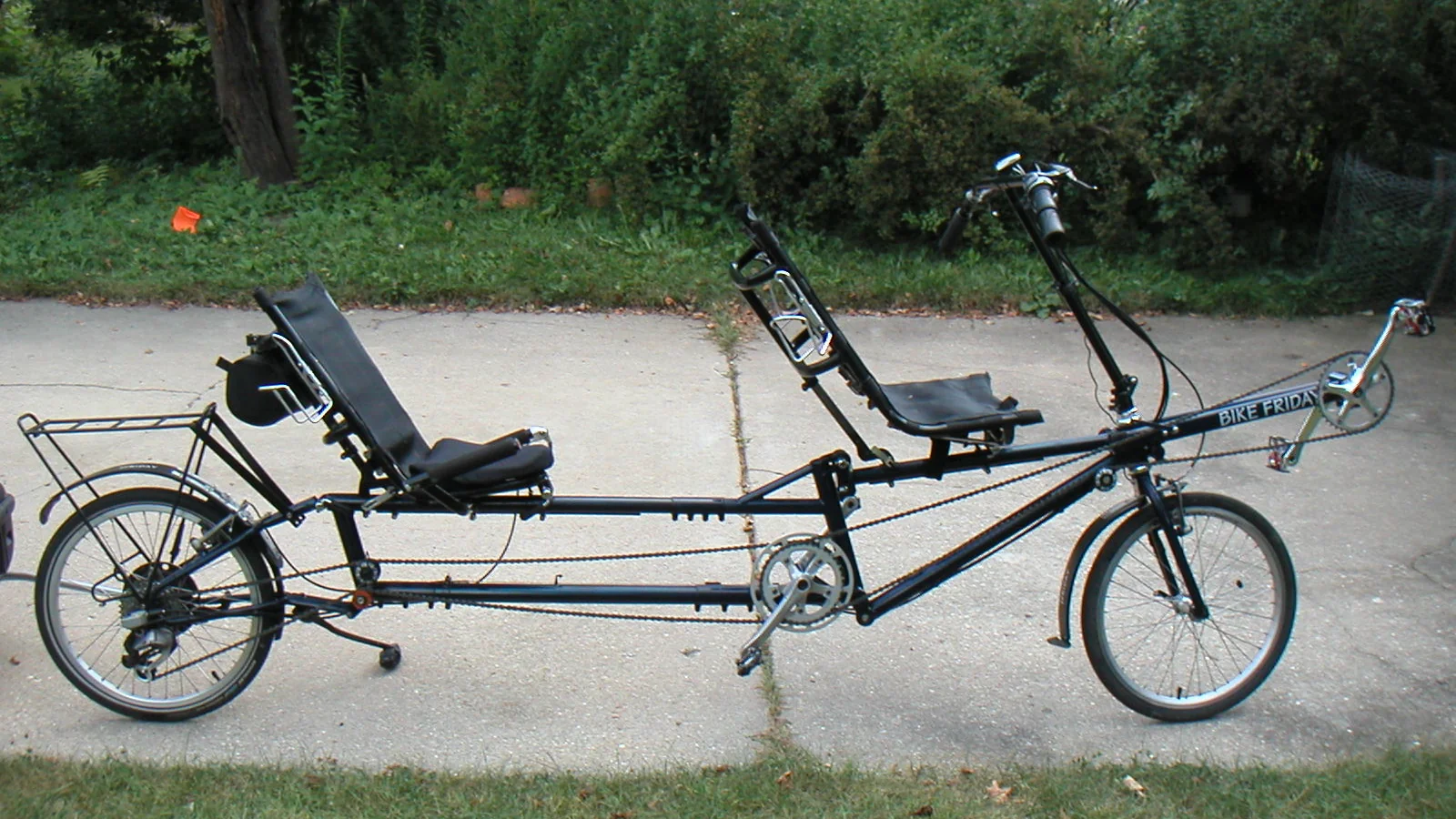
| Bike Friday | Eugene, OR | Steel folding frames cut, welded, painted, and wired to order | Active; custom folding e-bikes ($3,500+) |
| Worksman Cycles | Ozone Park, NY & SC | Heavy-duty steel frame fabrication, industrial trikes, e-assist builds | Active; utility & commercial ($1,500 – $3,000) |
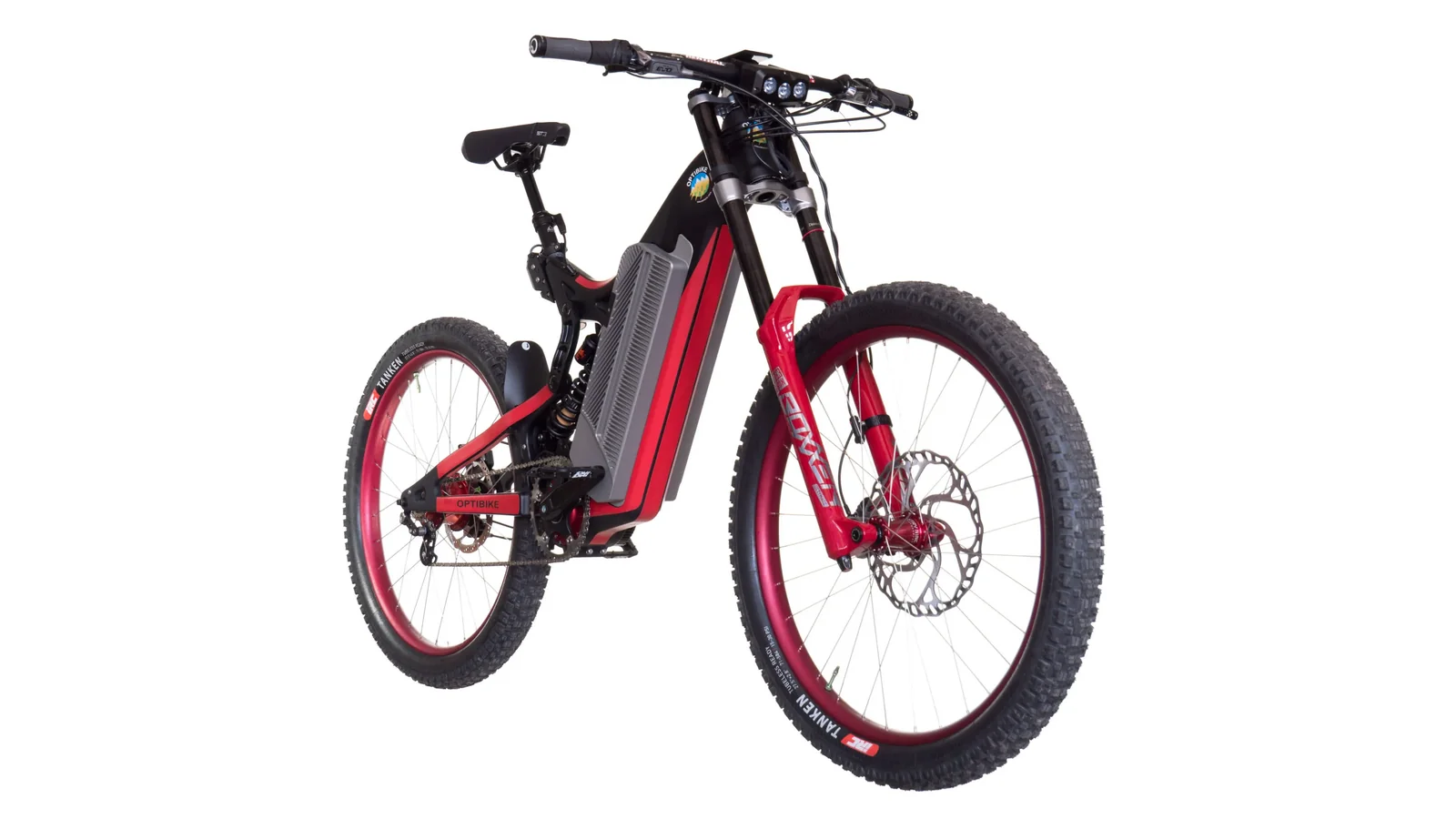
| Optibike | Paonia, CO | Proprietary mid-drive engineering, custom assembly, bench testing | Active; expedition e-MTBs ($6,000+) |
| Co-Motion Cycles | Eugene, OR | Custom tandem & touring frames welded in Oregon with e-assist options | Active; custom builds ($6,000+) |
| Electric Bike Company | Costa Mesa, CA (Former) | Previously painted and built cruisers from imported parts | Closed (Chapter 7 bankruptcy Oct 2025) |
Hi-Power Cycles (HPC)
Based in Simi Valley, California, Hi-Power Cycles builds some of the closest things to domestically manufactured performance e-bikes in the country. Unlike brands that order pre-packed containers, HPC assembles bikes to order, tests components locally, and builds its own lithium battery packs in-house in California. I would only consider HPC if you genuinely want high-output off-road or bespoke performance hardware, because pricing starts far above everyday commuter budgets and many configurations exceed standard Class 1/2/3 street power caps.
Bike Friday and Co-Motion Cycles (Oregon)
In Eugene, Oregon, Bike Friday cuts, TIG-welds, and powder-coats custom steel folding frames to each rider’s height and torso reach before integrating electric assist systems. Their travel-ready folders fit inside standard airline luggage while carrying full touring loads. Nearby Co-Motion Cycles follows a similar path for custom touring bikes and tandems, pairing hand-welded Oregon frames with Bosch or hub-assist kits. If you value custom geometry and repairable steel tubing over flashy integrated LCD screens, my money goes to these Oregon shops.
Worksman Cycles and Optibike
Worksman Cycles, founded in 1898, still manufactures heavy-duty steel industrial bicycles and adult tricycles domestically, offering electric-assist utility builds suited for campuses, factories, and flat coastal neighborhoods. At the opposite end of the performance spectrum, Colorado-based Optibike designs high-torque mid-drive mountain and expedition e-bikes, handling proprietary motor engineering and final assembly stateside. Both show up near the top of the price ladder. Explore our guide to the most expensive electric bikes to see why small-batch U.S. and European assembly costs triple what mass-market models run.
Buyer Warning: The Shutdown of Electric Bike Company
If you read older articles recommending Electric Bike Company (EBC) in Costa Mesa, California, update your shortlist immediately. EBC spent years promoting U.S. custom cruiser assembly, but the company filed for Chapter 7 bankruptcy liquidation on October 3, 2025, ending factory production and direct warranty support. Remaining used or leftover EBC cruisers can still be serviced by independent shops using aftermarket parts, yet you should never place an online deposit with an unverified reseller claiming active factory backing.
Where Popular “American” E-Bike Brands Actually Build Their Bikes
Most household U.S. bike and e-bike brands are headquartered in California, Arizona, Wisconsin, or Washington, while outsourcing frame welding and final assembly to contract factories in Taiwan, Vietnam, Cambodia, or mainland China. That is not automatically a bad thing. Taiwan’s Taichung corridor produces the finest hydroformed aluminum and carbon frames in the world, backed by decades of metallurgy expertise.
| Brand & U.S. HQ | Primary Manufacturing Hubs | Motor / Drive Partners |
|---|---|---|
| Trek (Waterloo, WI) | Taiwan, Cambodia, Germany, China | Bosch, TQ, Hyena |
| Specialized (Morgan Hill, CA) | Taiwan, Vietnam, Cambodia | Brose / Mahle SL custom |
| Lectric eBikes (Phoenix, AZ) | China & Southeast Asia | Geared hub motors |
| Aventon (Brea, CA) | China & Southeast Asia | Custom rear hub motors |
| Priority Bicycles (New York, NY) | Taiwan & Cambodia | Pinion MGU / Truckrun / Enviolo |
If your goal is simply avoiding mainland China manufacturing rather than requiring a U.S. weld, Taiwan and European builds are far easier to find at local bike shops. Models from Trek, Specialized, Cannondale, Gazelle (Netherlands), and Riese & Müller (Germany) rely heavily on Taiwanese frames, German Bosch motors, and strict UL 2849 system certifications.
How 2026 Tariffs Impact U.S. Assembly and Retail Prices
Trade policy in 2026 explains why you rarely see budget e-bikes welded stateside, yet still see prices climbing across the market. On February 20, 2026, the U.S. Supreme Court struck down broad emergency tariffs enacted under IEEPA, briefly easing uncertainty for bike importers. However, Section 301 trade penalties stayed intact. In July 2026, the U.S. Trade Representative imposed new 10% to 12.5% Section 301 duties across roughly 60 trading partners without granting cycling exclusions.
Because China-built e-bikes still carry a stacked duty burden often reaching 45% or more when combining base rates and the 25% Section 301 tariff, brands that shifted production to Cambodia, Vietnam, or Taiwan face roughly 19% to 25% total import duties instead. Even American frame builders pay tariffs on imported aluminum tubing, brake calipers, and lithium cells. Before choosing a bike solely by country of origin, look at our breakdown of what an electric bike actually costs in 2026 to see how parts quality and tariff tiers affect long-term value.
How to Verify Where an E-Bike Was Built Before Buying
Marketing copy gets blurry fast, so I look for four objective clues before believing a domestic origin claim:
- Look for the head-tube or bottom-bracket sticker: Federal customs rules require imported bicycles and frames to display the true country of origin on the chassis or carton, even when boxed in the U.S.
- Check warranty and UL 2849 paperwork: Authentic U.S. builders publish their physical workshop address and service shop phone number rather than hiding behind a virtual PO box.
- Inspect realistic price floors: Welding, painting, and lacing an e-bike with American labor rarely leaves a margin under $2,800 to $3,500; a $999 bike claiming “Made in USA” is only using U.S. marketing or sticker assembly.
- Ask about battery cell and UL origin: Even domestic assemblers should state clearly whether packs use Samsung, LG, or Panasonic cells and carry third-party safety testing.
Frequently Asked Questions About U.S.-Made E-Bikes
Are Lectric or Aventon e-bikes made in the USA?
No. Lectric eBikes is headquartered in Phoenix, Arizona, and Aventon is based in Brea, California, but both companies design bikes in the United States and manufacture them in factories in China and Southeast Asia.
Which e-bikes are not made in China?
Many models from Specialized, Trek, Cannondale, Priority, Gazelle, and Riese & Müller are manufactured in Taiwan, Cambodia, Vietnam, or Europe, while custom frames from Bike Friday, Co-Motion, and Worksman Cycles are fabricated in the United States.
Why are there no $1,000 e-bikes made in the USA?
Domestic welding, powder coating, wheel building, and U.S. labor rates add substantial fixed cost per frame, and there is currently no domestic mass-market supply chain for low-cost hub motors, controllers, or lithium battery packs.
Is Electric Bike Company still in business?
No. Electric Bike Company (Costa Mesa, California) filed for Chapter 7 bankruptcy liquidation in October 2025 and ceased direct manufacturing and warranty operations.

