
Walk into a local bike shop expecting to spend $800 on an electric commuter and you will quickly leave with sticker shock. Most dealer-backed electric bikes in the United States start around $1,800 and climb past $4,500 for mid-drive cargo or trail models. Even direct-to-consumer brands charge $1,000 to $2,400 once you step past bare-bones entry builds.
That price gap over a traditional pedal bicycle is not simple retail markup. An e-bike combines a mechanical bicycle with a high-discharge lithium-ion energy system, sealed electric drive hardware, heavier stopping power, third-party fire testing, and stacked import duties. If you want to compare what different budgets actually buy at checkout, pair this cost breakdown with our guide on how much an electric bike costs in 2026.
The Lithium Battery Pack Takes the Largest Slice
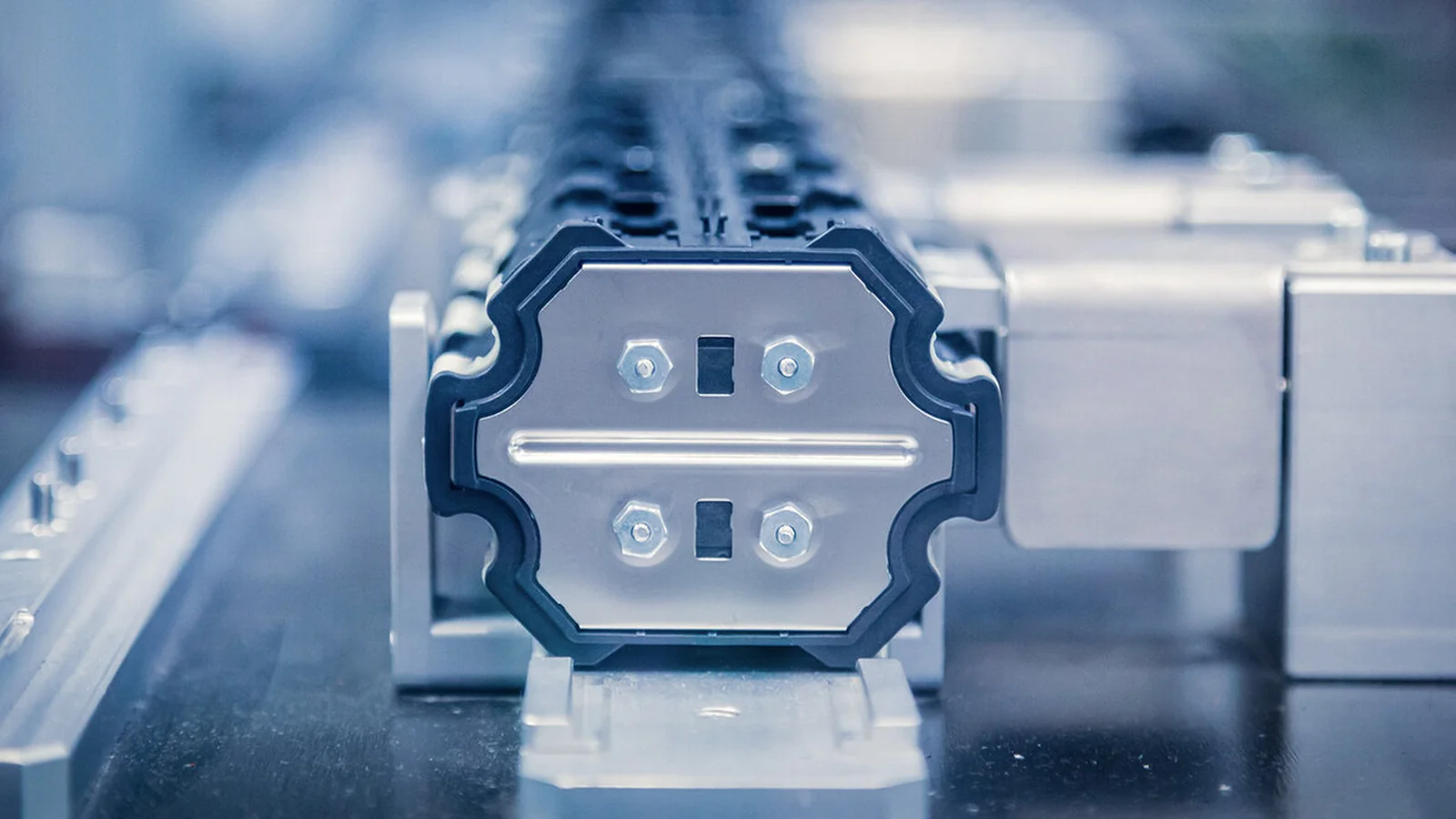
The battery is the number one reason an electric bike costs multiples of a regular hybrid. A reputable 500 Wh to 750 Wh pack uses 40 to 70 cylindrical automotive-grade lithium cells from suppliers like Samsung, LG, or Panasonic, wired to a calibrated Battery Management System (BMS). Those cells alone cost far more than the aluminum frame holding them.
Cheap packs cut corners with unbranded cells, thin nickel busbars, and passive thermal protection. By contrast, a properly engineered pack includes temperature thermistors, potted moisture sealing, short-circuit MOSFETs, and rugged polycarbonate housings built to survive potholes and rain. Replacing a genuine Bosch or Specialized pack at retail easily runs $650 to $1,050, which shows you how much value sits inside the downtube before the rest of the bike is even bolted together.
Battery capacity also scales cost nonlinearly. Jumping from a 400 Wh pack to an 800 Wh pack does not just double cell count. It requires a stiffer frame downtube, beefier locking latches, higher-output chargers, and stricter shipping classification because packs above 300 Wh face Class 9 hazardous-material freight rules.
Where Every Dollar of an E-Bike Build Goes
When riders compare a $700 analog commuter against a $2,200 electric commuter, they often assume the motor adds $300 and everything else is profit. In reality, upgrading a bike to safely handle 20 to 28 mph under electric assist forces higher specs across nearly every subsystem.
Mid-Drive Motors vs. Hub Motors Change the Price Tier
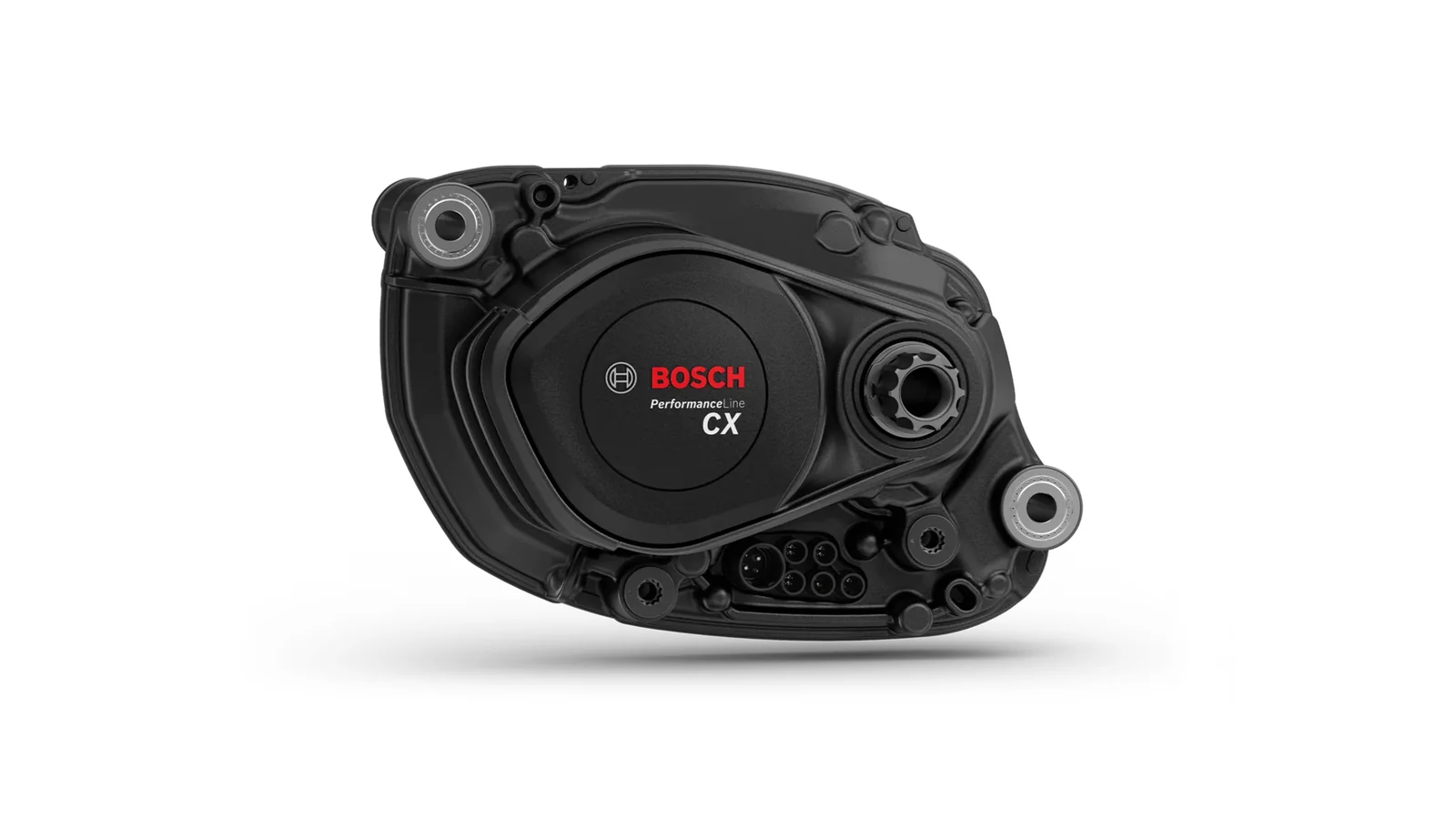
Motor architecture explains why two bikes with similar battery sizes can sit $1,500 apart. Budget direct-to-consumer models usually rely on rear geared hub motors paired with basic cadence sensors. Those motors bolt straight into standard rear dropouts and spin whenever the pedals rotate, keeping factory integration simple and inexpensive.
Mid-drive systems from Bosch, Shimano, Yamaha, Specialized, or Avinox sit inside a custom cast alloy bottom-bracket shell. They house dual-sided torque sensors, planetary or helical metal reduction gears, thermal sensors, and closed-loop firmware that samples pedal force hundreds of times per second. Frame factories have to hydroform and CNC-machine specialized motor cradles just to mount them.
If I am riding mostly flat city streets, a well-tuned rear hub motor with a torque sensor works fine and saves real money. If I live near steep grades or haul heavy cargo, I pay extra for a mid-drive because it multiplies power through the rear cassette instead of bogging down at low wheel speeds.
Heavier Frames, Hydraulic Brakes, and Tougher Wheels
A typical pedal road or hybrid bike weighs 20 to 28 pounds. Most commuter and fat-tire e-bikes weigh 48 to 75 pounds before you add a rider or groceries. Carrying that extra mass consistently at 20 to 28 mph destroys entry-level bicycle components within a few hundred miles.
To prevent premature failures and warranty claims, reputable brands spec heavier-duty parts across the entire chassis:
- Hydraulic disc brakes: Four-piston or heavy two-piston hydraulic calipers with 180 mm or 203 mm rotors replace thin mechanical cables, because stopping 300 combined pounds from 28 mph generates intense brake heat.
- Reinforced frames and forks: Hydroformed 6061 aluminum tubes use thicker wall gauges, gusseted head tubes, and thru-axles or heavy torque arms to handle motor twisting forces.
- E-bike-rated drivetrains and tires: Chains like Shimano Linkglide, steel cassette cogs, 12- or 13-gauge spokes, and puncture-belted tires cost noticeably more than basic 7-speed commuter parts.
| Cost Component | Budget Build ($700–$1,100) | Mid-Range Build ($1,500–$2,600) | Dealer Mid-Drive ($3,000+) |
|---|---|---|---|
| Battery & Safety | Generic cells; check carefully for true UL 2849 | Name-brand cells; UL 2849 certified system | Bosch/Shimano/Specialized UL 2849 & smart BMS |
| Motor & Sensor | Geared hub + basic cadence sensor | 750W hub + torque sensor or value mid-drive | Sealed mid-drive with multi-sensor assist |
| Brakes | Mechanical disc calipers (frequent cable adjustment) | Hydraulic disc brakes with 180 mm rotors | 4-piston or high-spec Shimano/Magura hydraulics |
| Service & Parts | Email-only support; scarce replacement parts | Partner shop network + 1–2 yr US warranty | Full local shop diagnostics & 5+ yr parts stock |
UL 2849 Testing, Tariffs, and Hazmat Shipping Add Hidden Cost
Every legitimate e-bike sold across New York, Washington, D.C., and major U.S. retailers now faces mandatory electrical safety compliance under UL 2849 and UL 2271 safety standards. Testing a complete electrical system (battery, charger, motor, controller, and power cabling together) at an accredited facility like UL Solutions, Intertek, or TÜV costs roughly $25,000 to $50,000+ per configuration, plus factory surveillance audits.
Trade duties compound those compliance bills before the bike leaves port. Electric cycles classified under HTS 8711.60 from China carry a 25% Section 301 tariff, alongside newer supplementary Section 301 duties introduced in 2026. Brands that shifted assembly to Cambodia, Vietnam, or Taiwan still absorb 10% to 25% total import burdens plus ocean hazmat surcharges. Our breakdown of whether any e-bikes are made in the USA explains why even domestic builders face higher costs on imported aluminum tubing and lithium cells.
Safety Check Before Buying Cheap: Never confuse a $499 marketplace bike that claims “UL-listed charger” with true system certification. A real UL 2849 listing covers the entire drivetrain and carries a verifiable file number on the frame label and the testing lab’s public directory. For red flags on ultra-cheap listings, check our list of e-bike brands to avoid in 2026.
Dealer Support, Pre-Delivery Assembly, and Parts Stock
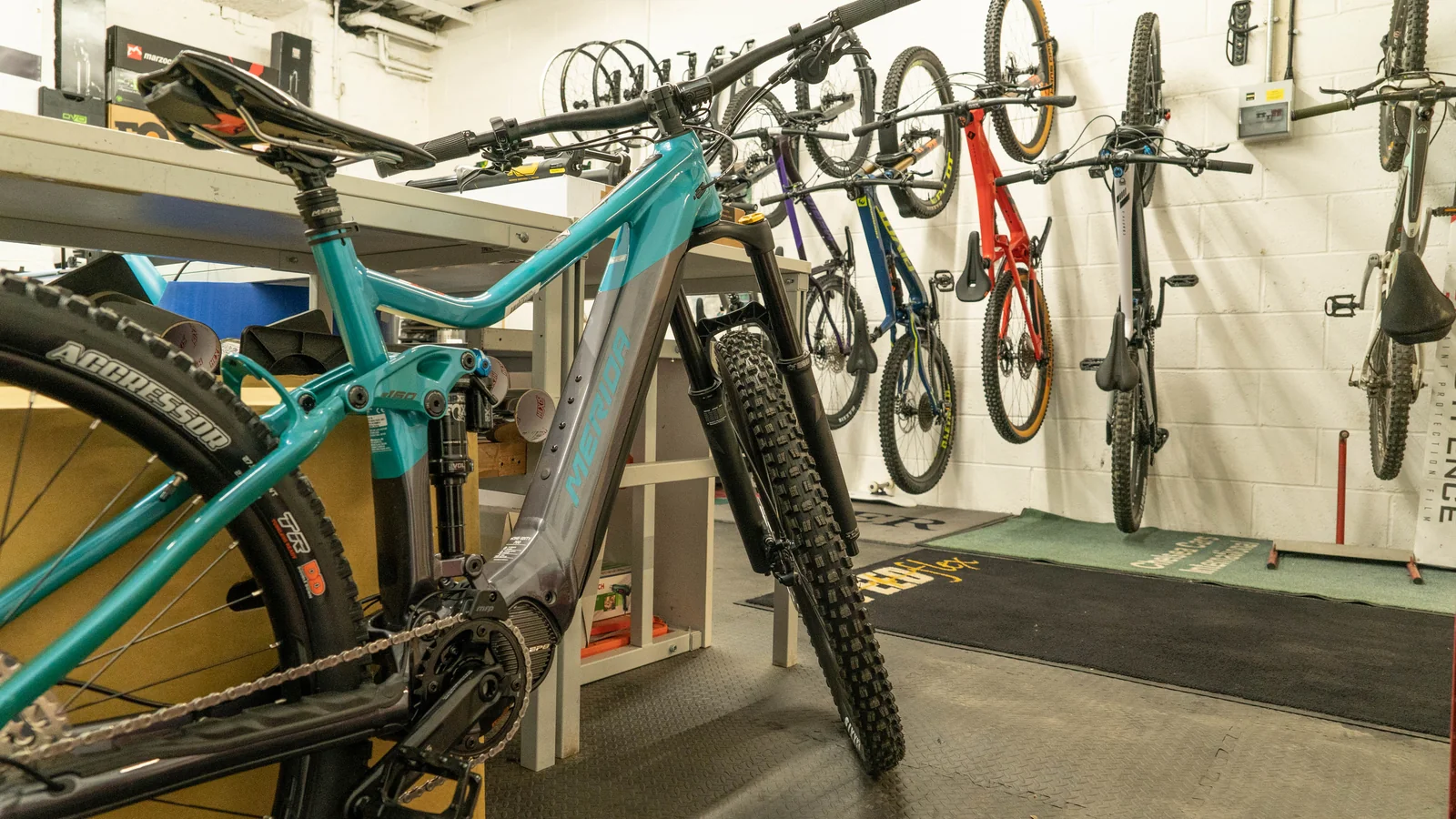
Distribution channels also explain a massive share of the sticker price. Direct-to-consumer brands ship bikes 85% assembled in a cardboard box straight from a regional warehouse, keeping margins leaner. By contrast, dealer brands build margin into the retail price so a local bike shop can unbox the frame, bleed hydraulic lines, true wheels, update motor firmware, and honor warranty repairs for years.
That support costs real money to maintain. Stocking proprietary controllers, internal power cables, and replacement batteries in U.S. warehouses for five years ties up capital long after a model sells out. When a fly-by-night $600 brand disappears, the missing $1,000 you “saved” turns into an unrepairable 65-pound paperweight the moment a controller board fries.
Are E-Bikes Going to Get Cheaper Anytime Soon?
Raw lithium cell prices have cooled from their 2022–2023 highs, and fierce competition among direct-to-consumer brands has pushed solid hydraulic-brake commuter bikes into the $999 to $1,500 range. Look at our roundup of folding electric bikes under $1,000 to see how much value budget buyers can already get during seasonal promotions.
Still, do not expect safe, dealer-supported e-bikes to drop to $400 anytime soon. Stacked U.S. import tariffs, hazardous battery freight rules, mandatory UL 2849 audits, and bike-shop labor keep a firm floor under retail prices. If I wanted maximum value without gambling on battery safety, I would target the $1,100 to $1,800 sweet spot from an established U.S. brand during holiday sales, or step up to $2,500+ for a Bosch or Shimano mid-drive if you plan to ride 2,000+ miles a year.
Frequently Asked Questions About E-Bike Prices
Why are e-bikes more expensive than some used motorcycles or mopeds?
Gas mopeds use mature, mass-produced steel frames and small carbureted engines without expensive lithium-ion cells. An e-bike must pack 500 Wh+ of certified lithium energy, torque sensors, and compact waterproof motors inside a lightweight bicycle frame under 55 pounds, which demands tighter tolerances and costlier materials.
What is the biggest difference between a $700 e-bike and a $2,000 e-bike?
Safety testing, sensor smoothness, and serviceability. A $2,000 e-bike typically provides full UL 2849 certification, name-brand battery cells, hydraulic disc brakes, a responsive torque sensor, and real U.S. warranty support through partner bike shops.
Why do replacement e-bike batteries cost $500 to $1,000?
Replacement packs sell in smaller volumes than complete bikes and must ship under strict hazardous-material regulations. A genuine 500 Wh to 750 Wh pack also includes high-grade lithium cells, a programmed BMS circuit board, and a weather-sealed structural case.
Are electric mountain bikes priced even higher for a reason?
Yes. Electric mountain bikes combine full-suspension linkage frames, long-travel air forks, four-piston trail brakes, and high-torque 85 Nm to 120 Nm mid-drive motors. If you want to see how extreme flagship builds get, browse our look at the most expensive e-bikes on the market.

