
Bicycling Land is reader-supported. When you buy through links on this page we may earn an affiliate commission, at no extra cost to you. As an Amazon Associate we earn from qualifying purchases.
Most e-bike batteries take 3 to 7 hours to go from near empty to full on the charger included in the box. Small 360Wh commuter packs on a 4-amp charger finish in roughly 3 hours, while a 750Wh or 800Wh long-range battery paired with a standard 2-amp charger can take 10 to 12 hours.
That gap trips up new riders fast. If you plug a 750Wh pack into a 2A charger at 8 p.m., it will not finish before you go to sleep, which pushes many owners into risky overnight charging right as Congress passes H.R. 973 for mandatory e-bike battery safety rules.
The Simple Formula to Predict Your Charge Time
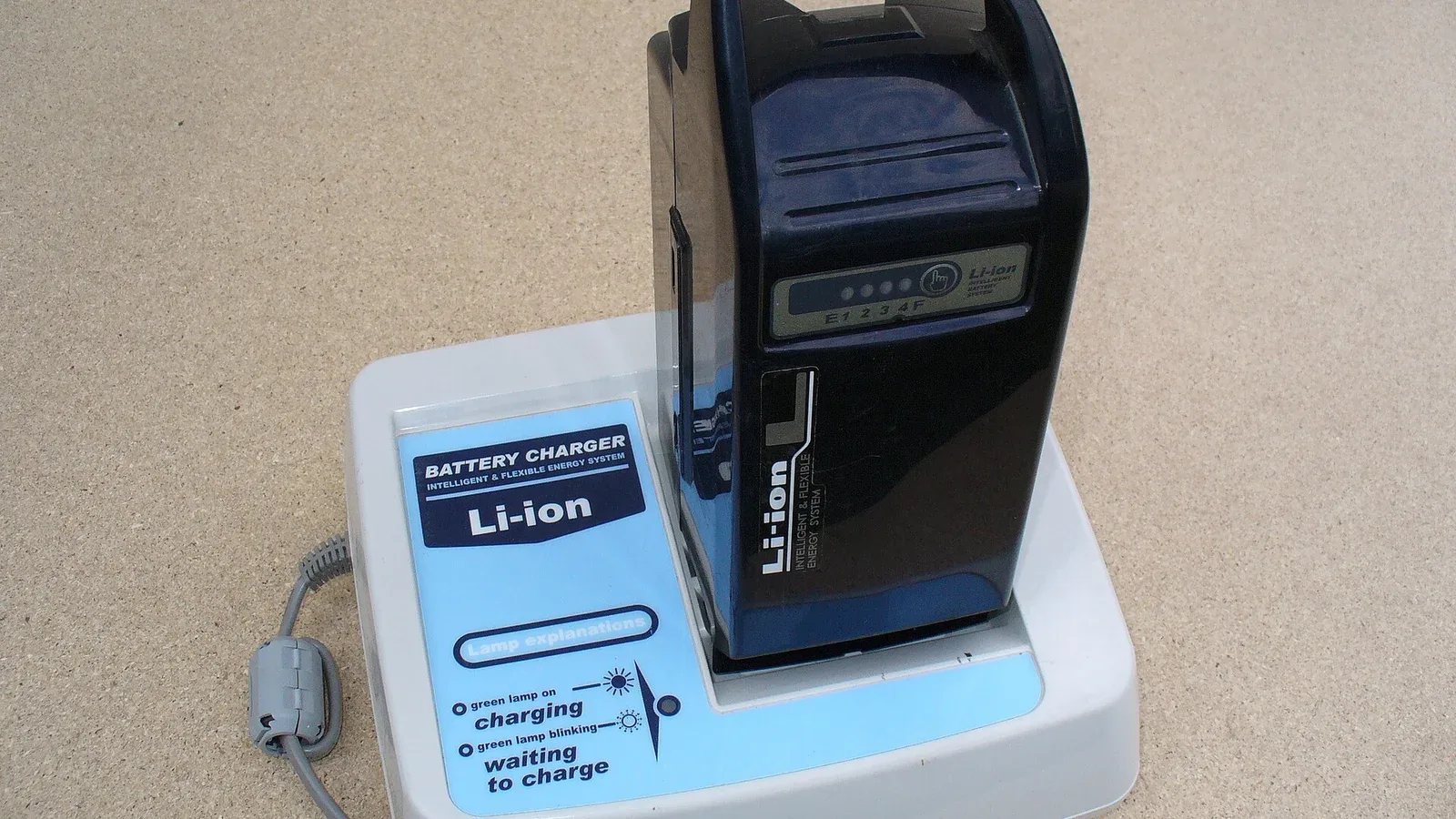
You can calculate a reliable charge-time estimate in 10 seconds using two numbers printed on your battery and charger labels: amp-hours (Ah) and charger amps (A). Divide battery Ah by charger A, then multiply by 1.15 to account for heat loss and the slow finishing stage.
If your battery lists watt-hours (Wh) instead of amp-hours, convert it first by dividing Wh by nominal battery voltage (36V, 48V, or 52V). For example, a 48V 672Wh pack holds 14Ah, and dividing 14Ah by a 2A stock charger and multiplying by 1.15 gives roughly 8 hours from empty.
Editor’s Note: Why the Last 20% Takes So Long
Lithium-ion chargers run at full amp output from 0% to roughly 80% capacity (constant current), then taper amperage down sharply from 80% to 100% (constant voltage) so individual cell groups balance safely. That final 20% regularly eats 45 to 90 minutes on its own.
Real-world top-ups are almost always shorter than empty-to-full math suggests. Most riders plug in around 20% to 35% remaining charge rather than riding until the controller cuts off, so a typical evening recharge often finishes in 2 to 4 hours.
Dual-battery cargo and long-range commuter bikes double that wall time unless you own a second charger or use a system with a parallel splitter. If a bike carries two 500Wh packs on a single 2A charger, expect 12 to 15 hours to fill both packs back to 100%.
Charge Time Table by Battery Size and Charger Amps
The reference matrix below covers common U.S. commuter, cargo, and mountain e-bike battery sizes across standard 2A, 3A, 4A, and 5A chargers, assuming a near-empty start and the 1.15 constant-voltage taper factor.
| Battery Size | Common Voltage / Ah | 2A Charger | 3A Charger | 4A Charger | 5A Fast Charger |
|---|---|---|---|---|---|
| 360Wh – 400Wh | 36V 10–11Ah | 5.8 – 6.3 hrs | 3.8 – 4.2 hrs | 2.9 – 3.5 hrs | 2.3 – 2.5 hrs |
| 500Wh | 36V 13.4Ah / 48V 10.4Ah | 6.0 – 7.7 hrs | 4.0 – 5.1 hrs | 3.0 – 4.5 hrs | 2.4 – 3.1 hrs |
| 625Wh – 672Wh | 36V 16.7Ah / 48V 14Ah | 8.0 – 9.6 hrs | 5.4 – 6.4 hrs | 4.0 – 5.4 hrs | 3.2 – 3.8 hrs |
| 750Wh – 840Wh | 48V 15.6–17.5Ah | 9.0 – 10.1 hrs | 6.0 – 6.7 hrs | 4.5 – 6.0 hrs | 3.6 – 4.0 hrs |
| 960Wh – 1,000Wh | 48V 20Ah / 52V 19.2Ah | 11.0 – 11.5 hrs | 7.4 – 7.7 hrs | 5.5 – 5.8 hrs | 4.4 – 4.6 hrs |
Notice how voltage changes the amp-hour count for the same energy. A 48V 500Wh battery holds 10.4Ah and fills faster on a 2A charger than a 36V 500Wh pack holding 13.4Ah, because the 48V charger pushes higher wattage at the same 2-amp current.
Real factory benchmarks track closely with that math. Published Bosch eBike U.S. charger specifications list 9.3 hours to reach 100% on a PowerTube 625 using a 2A charger, compared with 5.4 hours on a 4A charger and 12.4 hours for a PowerTube 800 on 2A.
Published Bosch Smart System 0–100% Charge Times (Hours)
Standard 2A vs. 4A and 5A Fast Chargers
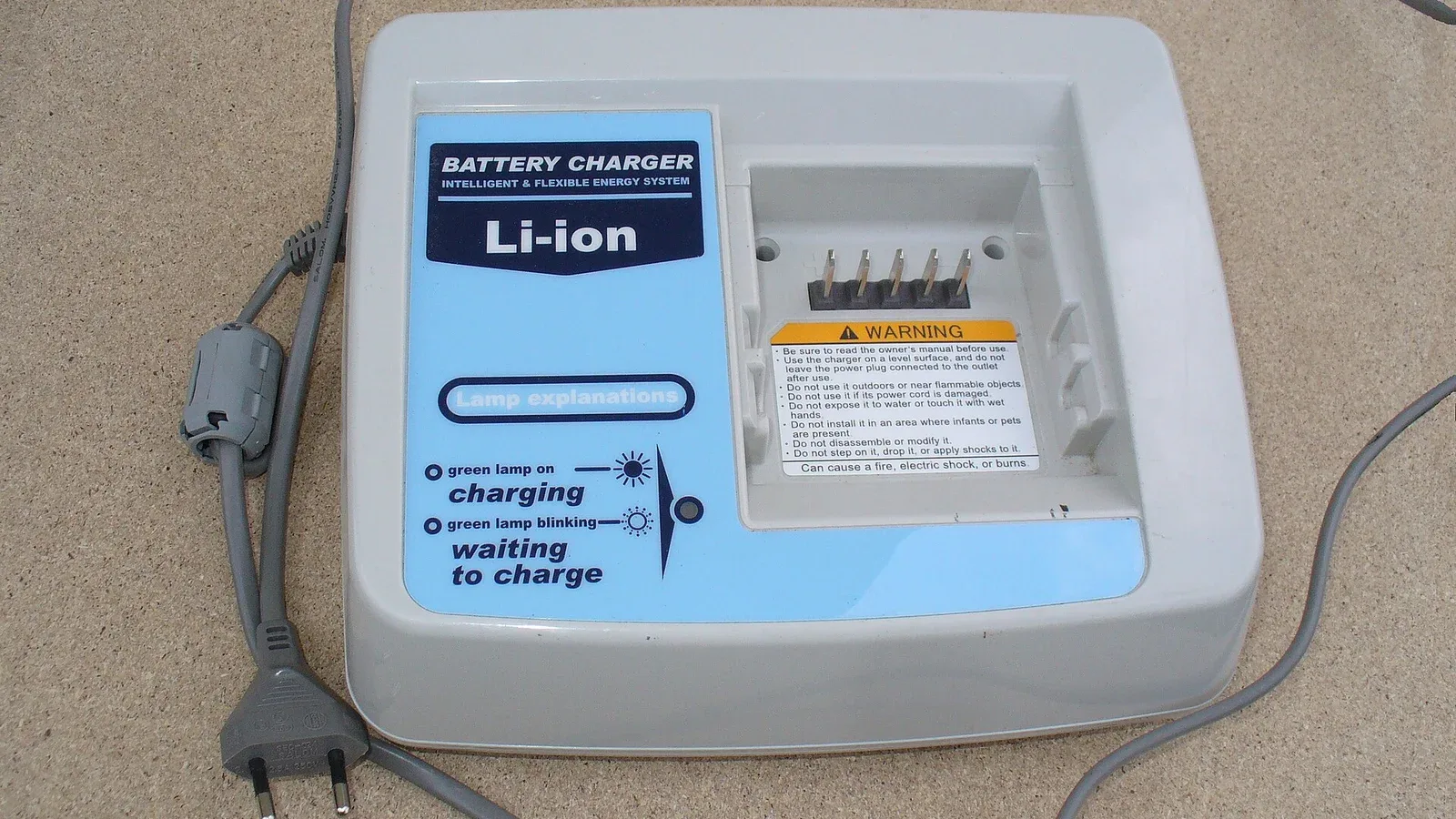
Most value-priced DTC bikes include a 2A charger in the box to keep retail price down, while mid-drive commuter brands like Specialized and Bosch-equipped bikes often ship with a 4A unit. Stepping up from 2A to 4A or 5A cuts recharge time roughly in half.
For a 48V 14Ah commuter bike such as a Lectric XP4 Long Range or Aventon Level.2, a stock 2A brick needs around 8 hours from empty, whereas a brand-matched 4A or 5A charger finishes in 3.2 to 4 hours. That difference lets you top off after work before going to bed instead of choosing between an incomplete charge and leaving the plug live overnight.
If I commute daily on a 14Ah or larger battery, upgrading to the maker’s 4A or 5A charger is one of the highest-value accessories you can buy. Just make sure you match the exact plug generation and voltage cutoff, and keep the slower 2A charger for occasional low-heat top-ups.
Never buy a cheap unbranded “fast charger” off an online marketplace just because the barrel connector looks similar. A charger without UL-tested thermal cutoffs or proper battery-management communication can push too much current into an already warm pack and accelerate cell wear or trigger overheating.
How Much Does It Cost to Charge an E-Bike?
Charging an e-bike costs pennies, not dollars. Even with roughly 15% wall-to-battery energy loss during AC-to-DC conversion, a full 0–100% recharge of a 500Wh battery pulls about 0.575 kWh from the wall, while a large 750Wh battery pulls about 0.86 kWh.
Using the U.S. Energy Information Administration’s August 2026 Electric Power Monthly residential rates, the national average price sits at 18.16 cents per kWh. At that average rate, charging a 500Wh pack from dead costs about 10 cents, and charging a 750Wh pack costs under 16 cents.
| U.S. Region / State | Residential Rate (Aug. 2026) | 500Wh Full Charge (0.575 kWh) | 750Wh Full Charge (0.86 kWh) | 100 Full Charges (750Wh) |
|---|---|---|---|---|
| U.S. National Average | 18.16¢ / kWh | $0.10 | $0.16 | $15.62 |
| Washington | 14.63¢ / kWh | $0.08 | $0.13 | $12.58 |
| Florida | 14.99¢ / kWh | $0.09 | $0.13 | $12.89 |
| Texas | 15.91¢ / kWh | $0.09 | $0.14 | $13.68 |
| New York | 28.65¢ / kWh | $0.16 | $0.25 | $24.64 |
| California | 29.75¢ / kWh | $0.17 | $0.26 | $25.59 |
| Massachusetts | 30.48¢ / kWh | $0.18 | $0.26 | $26.21 |
Even in high-rate states like California or Massachusetts, 100 full recharges of a big 750Wh pack work out to roughly $26 for thousands of miles of riding. If you want to track exact wall draw on your own outlet, a UL-listed plug-in watt meter shows real-time amperage and shuts off the guesswork around when the trickle stage ends.
Can You Leave an E-Bike Battery Charging Overnight?
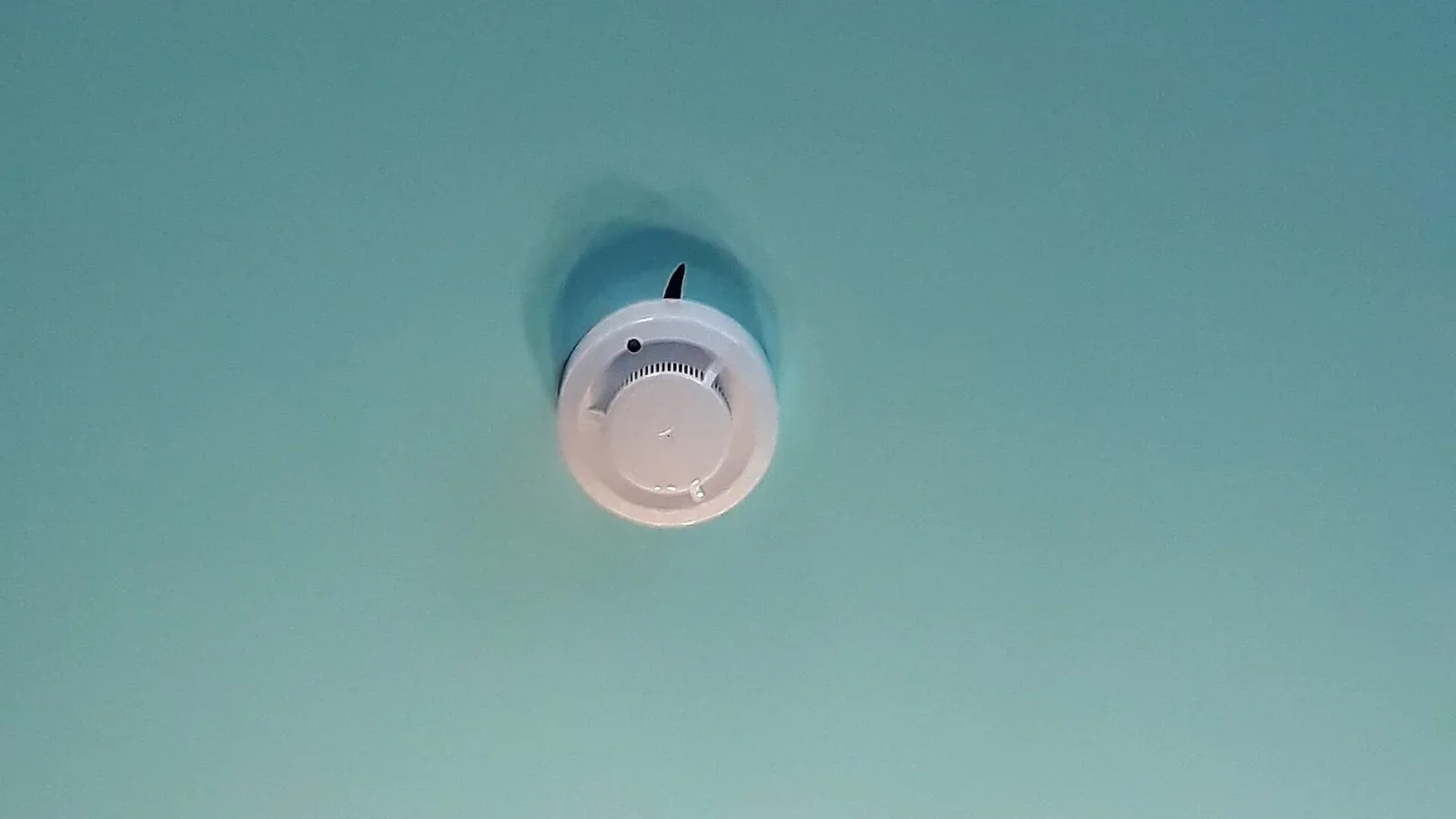
No. Even though modern UL-certified packs and chargers automatically cut off current once cells reach 100%, fire departments and safety engineers warn against leaving lithium-ion e-bike batteries charging while everyone in the home is asleep.
The problem is simple: if a damaged cell, loose connector, or failed charger board overheats at 2 a.m., you lose precious minutes before noticing smoke. Charging while awake in a room with a working smoke alarm gives you time to unplug at the wall or evacuate safely.
Temperature also stretches charge time in winter. Never plug in a battery straight off a freezing commute, because charging lithium-ion cells below 32°F (0°C) can permanently plate lithium on the anode and raise internal short risk. Let the pack warm naturally to room temperature first, as detailed in our cold-weather e-bike battery guide, and follow our full safe e-bike charging checklist before every plug-in.
For daily commutes where you only burn 30% to 40% of your range, unplugging around 80% saves roughly an hour on the wall and helps extend how many years your e-bike battery lasts. Save full 100% charges for long weekend rides or monthly cell balancing.
Frequently Asked Questions
Can I Leave My E-Bike Charging Overnight?
I wouldn’t. Fire safety officials advise charging e-bike batteries only while you are home and awake, on a hard non-flammable floor away from exit doors, and unplugging once the indicator turns green.
Does Fast Charging Ruin an E-Bike Battery?
Using the manufacturer’s approved 4A or 5A charger on a 10Ah–17.5Ah pack is safe and well within cell ratings. Heavy 6A–12A fast charging every single day adds extra heat over years of use, so save ultra-fast chargers for days you truly need quick turnaround.
How Much Does It Cost to Charge an E-Bike Every Day?
At the August 2026 U.S. residential average of 18.16 cents per kWh, a full 500Wh charge costs about 10 cents and a 750Wh charge costs about 16 cents. Daily commuting five days a week adds roughly $2 to $3.50 per month to your electric bill.
Why Does My E-Bike Charger Stop Around 80% or Stay Green?
Some smart chargers and companion apps let you enable an 80% charge-limit mode to reduce cell stress. If your charger stays green immediately on an empty pack, check that the battery switch is on, the room temperature is above 32°F, and the fuse or port pins are clean, or walk through our e-bike battery reset guide.
Can I Use a Higher-Amp Aftermarket Charger?
Only if your e-bike brand explicitly approves that amp rating and connector for your exact battery model. Matching voltage alone is not enough, because an oversized or poorly regulated charger can overheat cells or trip the battery management system.

