
Take that white LED bike helmet out of your garage before your child rides again. About 16,730 youth small Cipton helmets sold nationwide at Dick’s Sporting Goods and JCPenney were recalled on November 19, 2026, because they failed federal crash and retention tests.
The recall covers model CPSK300CC, a $35 kids’ helmet with a built-in multi-colored LED light strip powered by a lithium-ion battery. Parents need to stop using it immediately, cut the straps for a full refund, and keep the helmet out of regular household trash because of the battery inside.
Which Cipton Helmets Are Recalled
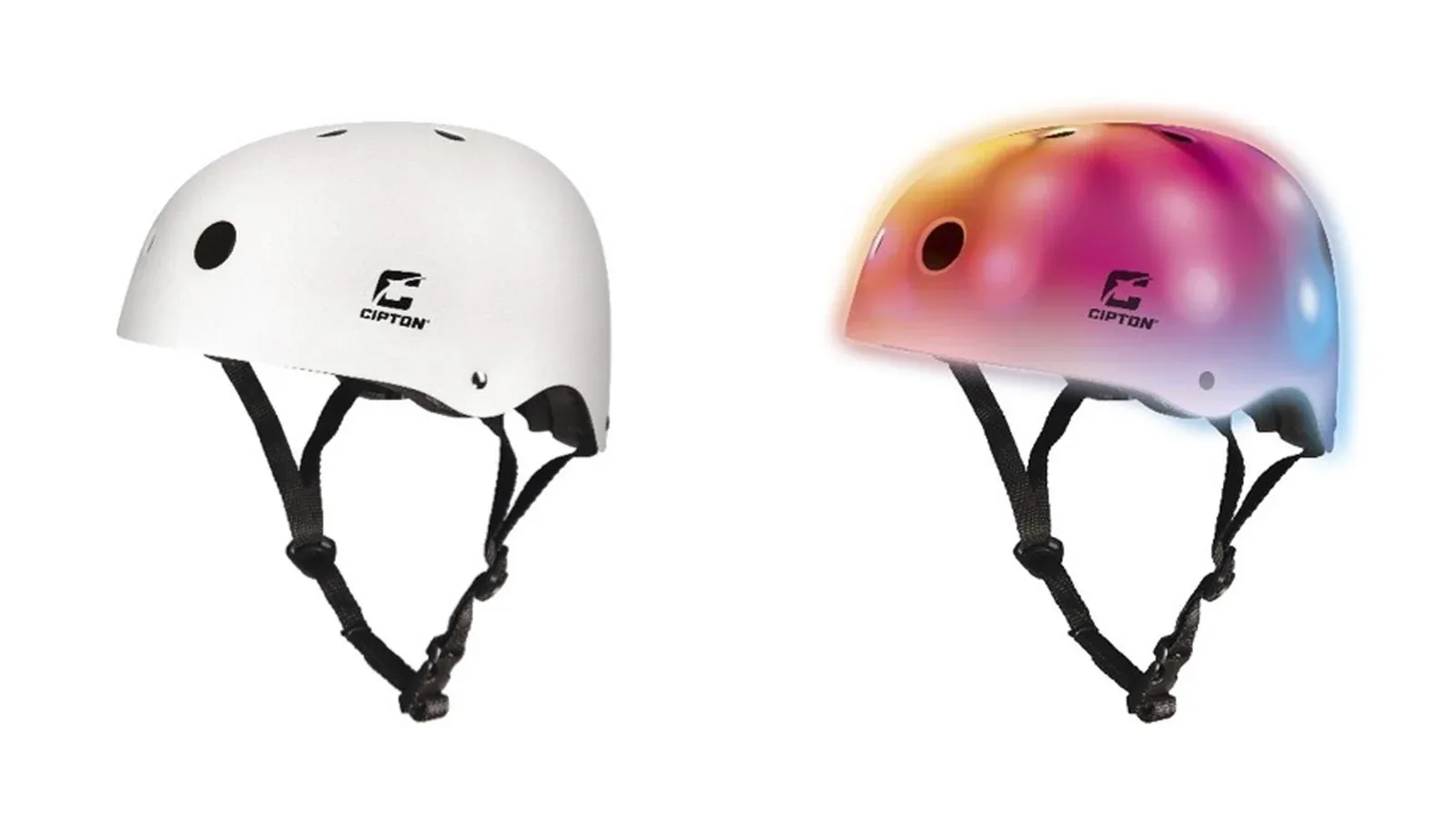
Only one specific Cipton SKU is part of this safety action. It is a white skate-style youth bicycle helmet in size Small (S), built to fit head circumferences from 19.7 to 21.3 inches (50 to 54 cm).
From the outside, you can spot it by the black Cipton wordmark on the side shell, black interior foam padding, black nylon straps, and a black chin buckle. Inside the outer shell sits a multi-colored LED light strip that illuminates through the white plastic.
Hardline Group, doing business as Cipton out of Brooklyn, New York, imported the helmets from China with recall administration handled by Southern Telecom. Stores sold the helmets nationwide at Dick’s Sporting Goods, online at Dickssportinggoods.com, and at JCPenney from April 2024 through May 2026 for around $35.
No crashes or injuries had been reported when the U.S. Consumer Product Safety Commission notice went live on November 19, 2026. That makes this a proactive compliance recall rather than one triggered by emergency-room filings, though the safety risk in a fall is serious.
How to Check Your Helmet Label and Claim a Refund
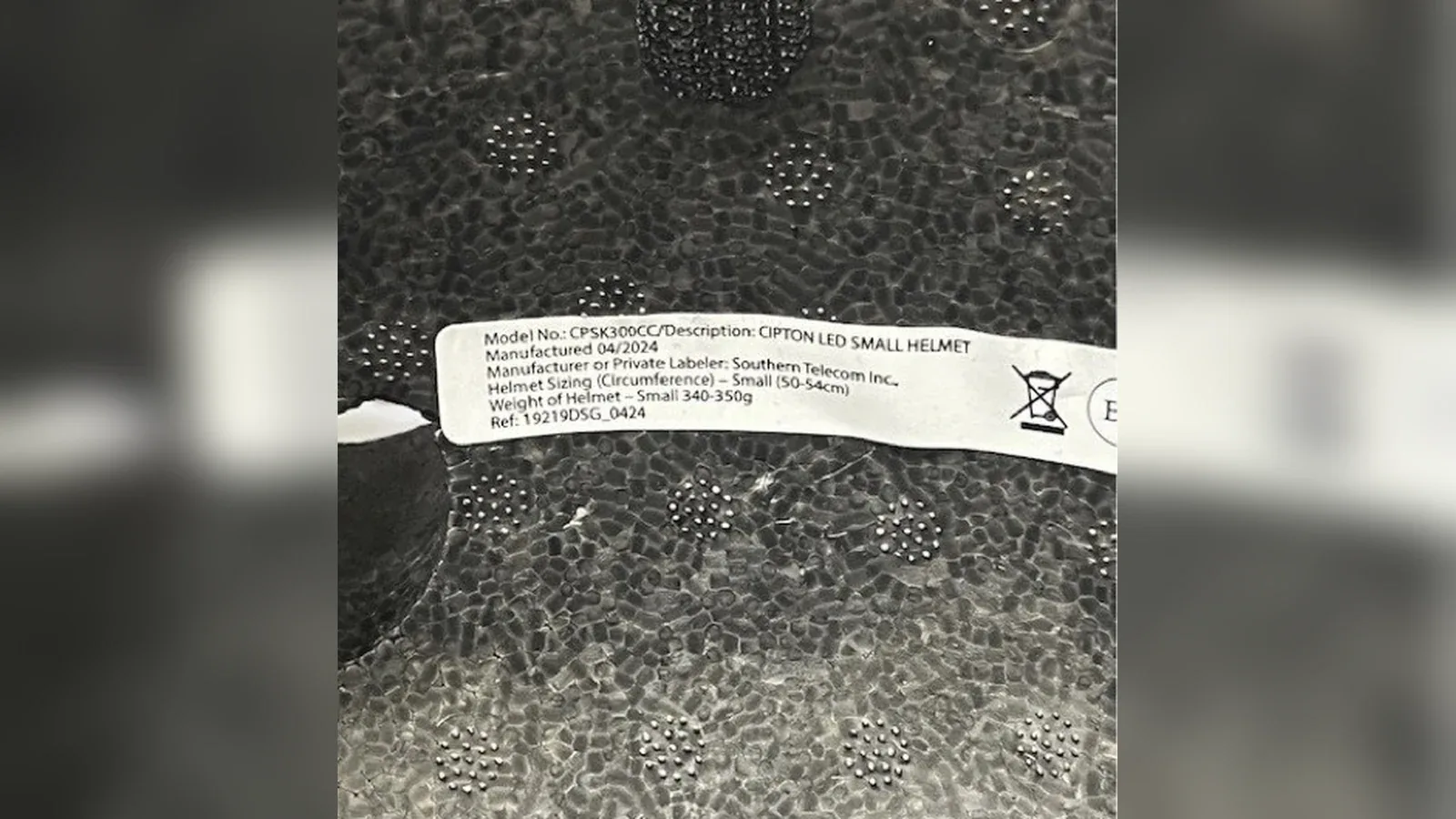
Flip the helmet upside down and look along the dark EPS foam liner before you touch the scissors. You are looking for a white rectangular sticker glued directly to the interior foam.
Look for the line reading “Model No.: CPSK300CC/Description: CIPTON LED SMALL HELMET” along with “Manufacturer or Private Labeler: Southern Telecom Inc.”, sizing “Small (50-54cm)”, weight “340-350g”, and reference codes such as “Ref: 19219DSG_0424”. Notice the crossed-out wheeled trash bin icon printed beside the text.
If that sticker matches, follow the exact destruction sequence required for reimbursement. Do not mail the helmet back to Dick’s Sporting Goods or JCPenney unless the store specifically tells you to, because Cipton’s refund runs directly through photo proof.
I’d keep your receipt email or a copy of your bank statement handy if you paid cash or bought online two years ago, though CPSC recall remedies do not require a paper store receipt. Taking one extra photo of the inner CPSK300CC sticker next to the cut straps also prevents back-and-forth delays with claims support.
Why You Cannot Put This Helmet in the Trash
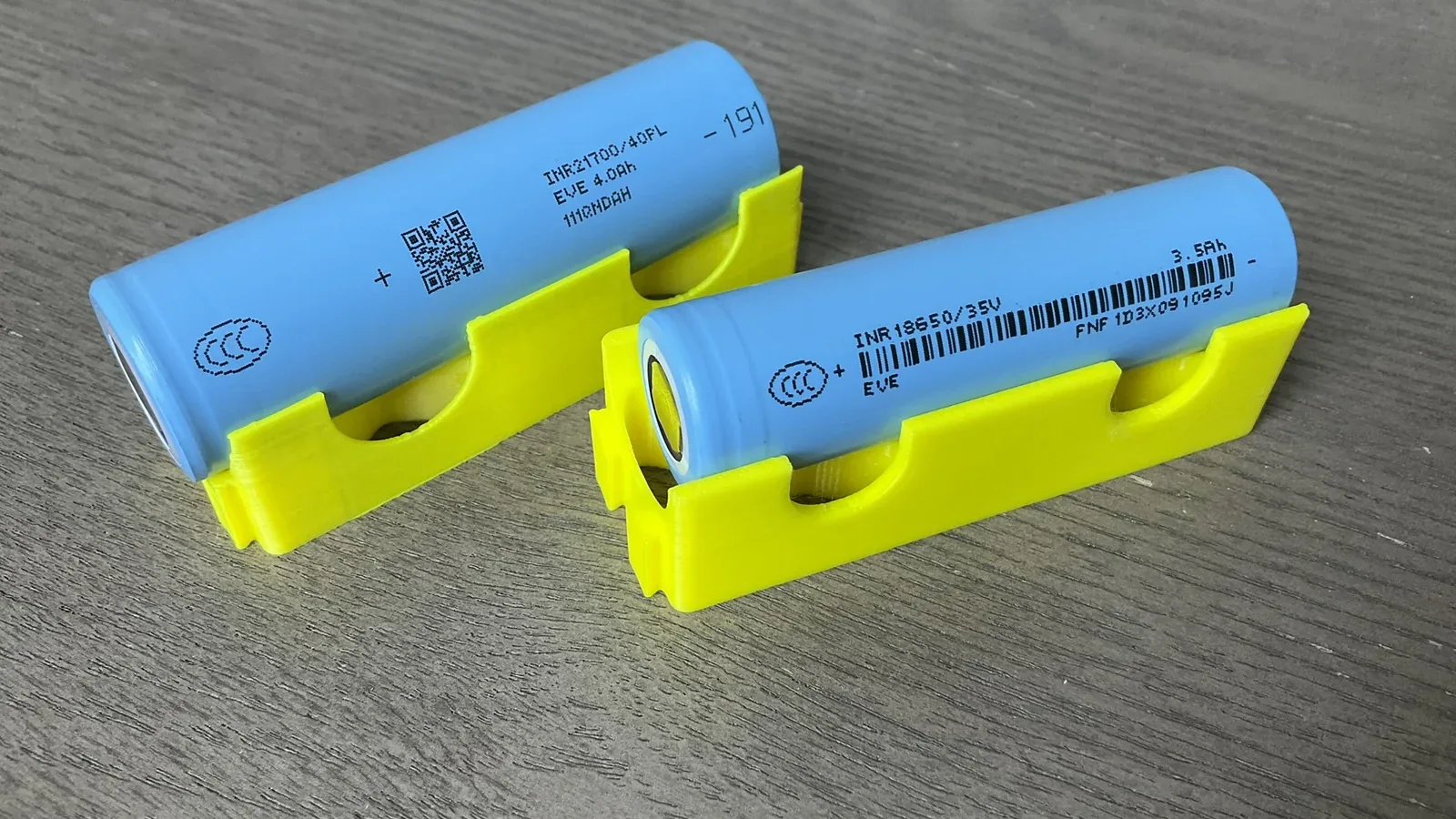
Most bicycle helmet recalls end with a trip to the garbage bin after you snip the chin strap. This one does not, because the CPSK300CC seals a rechargeable lithium-ion battery inside its LED lighting circuit.
“Do not throw this defective lithium-ion battery or device in the trash, the general recycling stream (e.g., street-level or curbside recycling bins), or in used battery recycling boxes found at various retail and home improvement stores. Defective lithium-ion batteries must be disposed of differently than other batteries, because they present a greater risk of fire.”
That retail-box restriction catches a lot of well-meaning parents off guard. Standard store drop-off bins at hardware chains are built for intact consumer tool or phone batteries, not recalled electronics sealed inside foam shells. If a garbage truck compactor crushes a lithium-ion pouch cell, thermal runaway can ignite paper and plastic loads right on a neighborhood street.
If you want to understand how lithium battery disposal works in US counties, and why you should call your county transfer station before driving over, our guide on disposing of cycling lithium-ion batteries safely explains how to locate HHW collection days and Call2Recycle rules. Never pry the EPS foam open with a screwdriver to extract the cell yourself, because puncturing a pouch battery can spark a fire on your workbench.
What CPSC Rules Cipton Failed and Safe Replacements
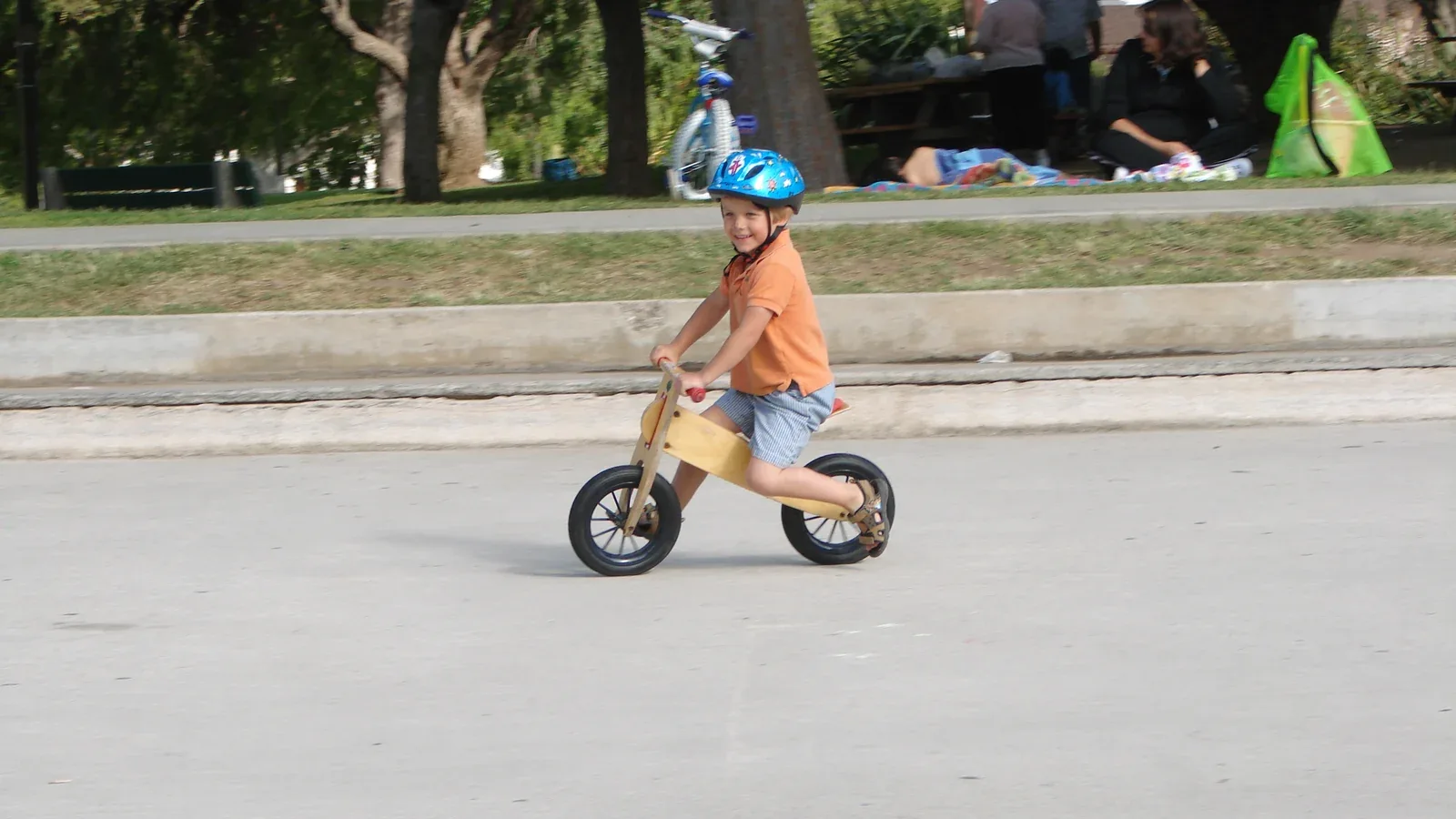
Every bicycle helmet legally sold in the United States must meet the CPSC mandatory safety standard under 16 CFR Part 1203. Cipton’s CPSK300CC failed three pillars of that law: impact attenuation, positional stability, and federal certification.
In plain terms, impact attenuation testing drops an instrumented headform inside the helmet onto flat and curbstone steel anvils under hot, cold, wet, and room-temperature conditioning. To pass, peak acceleration cannot exceed 300 g on any strike. Positional stability (the roll-off test) yanks the strapped helmet forward and backward with a dynamic drop weight; if the helmet pops off the test headform, it fails.
This pattern is becoming painfully common among novelty and budget helmets sold online and through big-box racks. Earlier in 2026, federal regulators also pulled three other non-compliant models in the 5Color, Tongyang Basecamp, and Victgoal helmet recalls, alongside youth bikes in the Vevor BMX chain-guard recall. Whenever a helmet leans on flashing LEDs or ultra-low pricing instead of clear 16 CFR 1203 labeling, I treat it with skepticism.
Emergency-room data already shows why kids’ head protection cannot be an afterthought, especially with youth cycling and e-bike injuries rising sharply. If your child wore the recalled 50–54 cm Youth Small helmet, you want a direct replacement that fits that exact head size and carries real CPSC 16 CFR 1203 certification, ideally with MIPS rotational impact protection too.
| Helmet Model | Status | Youth Fit Range | Safety Tech | List Price |
|---|---|---|---|---|
| Cipton CPSK300CC | Recalled (27-098) | Small: 50–54 cm (19.7–21.3 in) | Failed 16 CFR 1203; LED Li-ion | ~$35 (Full refund) |
| Giro Scamp II MIPS | CPSC Certified | Small: 49–53 cm (19.3–20.9 in) | CPSC + MIPS + Roc Loc Jr. | $84.95 |
| Woom READY | CPSC Certified | S: 50–53 cm / M: 53–57 cm | CPSC + Fidlock buckle + deep visor | $89.90 |
| Trek Tyro | CPSC Certified | Youth: 50–55 cm (19.7–21.7 in) | CPSC + dial fit + Fidlock | $59.99 |
| Specialized Shuffle 2 LED | CPSC Certified | Child OSFM: 49–55 cm (19.3–21.7 in) | CPSC + MIPS + rear LED | $64.99 |
Notice one subtle sizing catch before you order a replacement. The recalled Cipton Small covered 50–54 cm, whereas Giro’s Scamp II Small tops out at 53 cm and Specialized’s Align II Small/Medium starts at 52 cm. If your child grew over the past year and now measures 53.5 or 54 cm, re-measuring with a tape measure before buying prevents ordering a helmet that pinches out of the box.
If your older child or teen is moving onto pedal-assist riding, skip basic skate shells altogether and check our roundup of kids’ and teens’ e-bikes and safety gear as well as certified e-bike helmets built for higher commuter speeds. For younger riders still on 16-inch or 20-inch pedal bikes, the Trek Tyro ($59.99) and Specialized Shuffle 2 LED ($64.99) cover that whole 50–55 cm window without forcing a cramped fit.
Frequently Asked Questions
Do I need my Dick’s Sporting Goods or JCPenney receipt to get a refund?
No paper receipt is required under the CPSC recall terms. You must cut the black chin straps, write “Recalled” in permanent marker on the white helmet shell, and email a photo of the destroyed helmet to Reply@customersupport123.com to claim your refund.
Are black or adult Cipton helmets included in Recall 27-098?
No. Recall 27-098 applies specifically to white youth size Small (S) Cipton helmets labeled Model CPSK300CC on the interior EPS foam sticker, fitting 19.7 to 21.3 inches (50–54 cm) and sold between April 2024 and May 2026.
Can I pull out the LED battery and throw the plastic shell in my curbside bin?
No. Never cut open or pry apart the foam liner to reach a sealed lithium-ion battery, because damaging the cell can start a fire. Bring the intact destroyed helmet (with straps cut) to your local municipal Household Hazardous Waste facility.
What safety sticker should a replacement kids’ bike helmet have?
Look inside the liner for a permanent white certification label stating compliance with the U.S. CPSC Safety Standard for Bicycle Helmets (16 CFR Part 1203). Avoid generic unbranded light-up helmets that omit an importer address, manufacture date, and CPSC compliance text.

